
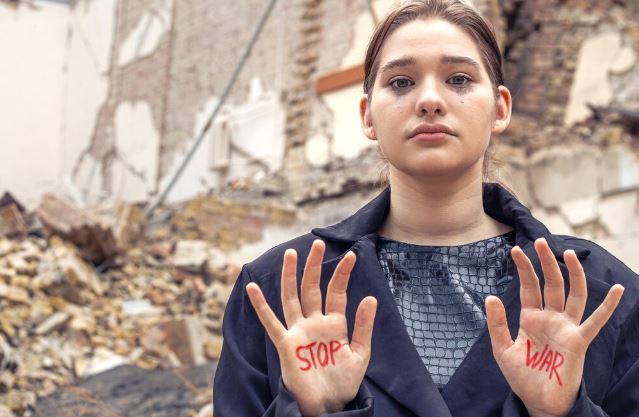
Giving people hope and then taking it away is a particular kind of cruelty. Not the lack of hope, which is something that people learn to deal with over many years of adversity. The sequence—the declaration of peace, the quick exhale, and then the sound of explosions resuming before the relief has even taken hold of the body—is what causes the actual harm. The psychological effects of that sequence may outlive the physical devastation by years, according to therapists who specialize in conflict-related trauma. That is what occurred in Iran in April 2026.
There was a noticeable change within Iran when Pakistan mediated the ceasefire on April 8. Crowds in Tehran were shown on state television, with some people celebrating and others just standing motionless in a state of stunned exhaustion. Iranians who hadn’t slept well in weeks posted on social media that they had finally closed their eyes without recoiling at the sound of planes. An entire nation’s collective nervous system relaxed for several hours. Then, in what it called Operation Eternal Darkness, Israel launched 100 airstrikes in ten minutes in southern Lebanon. Iran’s authorities claimed violations on their territory, the Strait of Hormuz remained virtually closed, and the entire precarious relief infrastructure fell apart before it had been in place for a full day.
What follows is called “hope deflation” by psychologists. It’s not clinical jargon found in the DSM, but practitioners have been using it for years in conflict areas like Syria and Ukraine. The concept is brutal and straightforward. The emotional crash that occurs when a population shifts from anticipated peace to active threat is frequently more destabilizing than the initial violence. The body had started to rise. The levels of cortisol were declining. Sleep habits were beginning to return to normal. Then everything abruptly changed, leaving the nervous system in a worse state than before because it had discovered that peace itself was untrustworthy.
Since the ceasefire, Iranian mental health professionals have reported startling numbers. According to data released by Iran Open Data, the number of suicide cases has increased by about 70% when compared to pre-war baselines. That statistic alone is horrifying, but it doesn’t account for the more subdued breakdown occurring in everyday households, such as the parents who are constantly checking their phones for strike alerts, the kids who shudder at the sound of traffic, and the college students who have simply stopped going to class because it seems ridiculous to plan for the future. There’s a feeling that daily life’s psychological infrastructure has been harmed in ways that casualty counts won’t reveal.
The asymmetry in the way this conflict is discussed around the world is difficult to ignore. Every news cycle is dominated by topics like oil prices, nuclear negotiations, naval blockades, and Trump’s rhetoric. Ninety million Iranians’ mental health hardly makes an impression. However, before the first bombing, Iran had fewer than 500 psychiatrists. Due to stigma, poverty, and a system that views psychological suffering as something to be prayed away rather than treated, the nation was already home to an estimated fifty million people with untreated mental health disorders. That crisis was not brought on by the war. It exploded.
The ceasefire itself turned into a trauma, as therapists who work with conflict populations will tell you. This is the part that rarely makes headlines. Not the conflict. the cease-fire. The time when common Iranians thought it might be over, only to learn that the deal was a “fragile truce” that neither side fully intended to uphold, according to Trump’s own vice president. The psychological damage caused by that broken promise will last long after politics have moved on, regardless of whether talks resume, the blockade tightens, or Islamabad develops a new diplomatic framework. It takes more time to rebuild trust in peace after it has been publicly destroyed than it does to rebuild anything made of concrete.