
Standing in the deli section of a grocery store and wondering, even for a brief moment, if the sliced turkey you’re going to purchase has been sitting in a warehouse that wasn’t cold enough is a subtly unsettling experience. This week, Kayem Foods Inc. launched one of the biggest ready-to-eat meat recalls in recent memory, removing about 1.58 million pounds of products from shelves and refrigerators nationwide, making that discomfort very real for millions of American consumers.
After a cooler malfunction at one of its warehouses caused storage temperatures to drop below acceptable levels, the Chelsea, Massachusetts company—which has been providing hot dogs, deli meats, and processed proteins to American households for more than a century—found itself at the center of a food safety emergency. The recall, which covers goods manufactured between March 31 and October 7, 2026—a period of more than six months—was announced by the USDA’s Food Safety and Inspection Service on October 17.
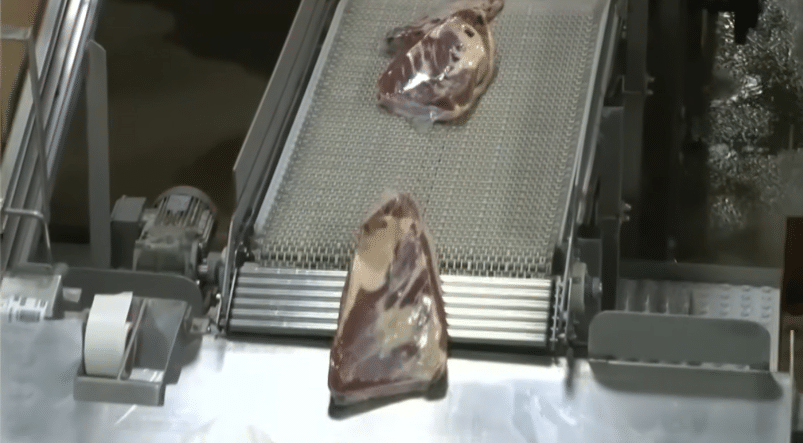
One customer complaint, of all things, was the catalyst for this whole series of events. A retail customer reported on October 1 that the product felt warm when it was delivered. It is nearly unthinkable that a massive cold chain operation spanning several states and months could be unraveled by a single phone call, but that is precisely what occurred. Kayem looked into it, and the results seemed to leave little room for disagreement. A warehouse cooler that was used to transport and store a variety of ready-to-eat goods had “temperature deviations” that were severe enough to jeopardize food safety regulations.
To be honest, the recall’s scope is astounding. Products sold under various brand names include hot dogs, cocktail franks, corned beef, turkey breast, chicken sausage, and bacon. EST. M/P 7839, EST. P 20935A, and EST are the establishment numbers. On impacted packaging, M 9520 is printed inside the USDA inspection mark. Customers should look for this information on any label they have in their refrigerator. Products were shipped not only domestically but also to Hong Kong food service providers, adding a global perspective to a logistics narrative that is already complex.
With confirmed shipments to Connecticut, Massachusetts, Maine, New Hampshire, New York, Pennsylvania, Rhode Island, and Vermont, Walmart stores in the Northeast seem to be among the most directly impacted retailers. The advice is clear and straightforward for anyone who has shopped at a Walmart in those states and still has any of these items: don’t eat them. Either discard them or bring them back.
It’s difficult not to wonder what was truly going on in that warehouse from June to October. Temperature variations in the storage of ready-to-eat meat are more than just a theoretical regulatory issue. There is no kill step between a potential pathogen and a person’s digestive system because these products are consumed uncooked. This recall has been categorized by the FSIS as a Class I recall, which is the highest severity level and indicates actual risk rather than bureaucratic caution.
As of this writing, these products have not been connected to any confirmed illnesses. That is noteworthy and does imply that, at least not yet, Kayem’s supply chain did not result in a clear outbreak event. However, because ready-to-eat items frequently remain in refrigerators for weeks, federal food safety officials continue to be concerned. It’s possible that someone who purchased a package of chicken sausage last month still has it hidden among leftovers and is unaware that it has been recalled.
All of this will be unsettlingly familiar to those who watch food safety. Temperature-related contaminations are uncomfortably common in USDA recall databases, indicating that cold chain integrity failures are nothing new. The length of this case is especially noteworthy. Retailers received potentially tainted merchandise for six months before a single warm-delivery complaint triggered the investigation. That’s a long time for something to go unnoticed.
Affected customers are urged by Kayem Foods to email or call their customer service department with any questions regarding the recall. What happens in the upcoming weeks will determine whether the company comes out of this with its reputation mostly intact, including whether illnesses appear, how widely the temperature lapses actually spread across the affected product, and whether customers ultimately feel that the response moved quickly enough. A company with a century-long reputation seems to be witnessing its name being linked to something it most likely didn’t intend.
The precise number of households that currently have recalled products in their refrigerators is still unknown. But if this week has taught us anything, it’s that even the most advanced cold chain operations can go wrong somewhere between a malfunctioning thermostat and a warm package of hot dogs leaving the loading dock.
FAQs
Q1. Why did Kayem Foods recall its meat and poultry products?
A warehouse cooler malfunctioned, causing dangerous temperature deviations during product storage.
Q2. How much product is included in the Kayem Foods recall?
The recall includes approximately 1,584,361 pounds of ready-to-eat meat and poultry.
Q3. Which products are affected by the Kayem Foods meat recall?
Hot dogs, bacon, deli meats, chicken sausage, cocktail franks, corned beef, and turkey breast.
Q4. Has anyone gotten sick from the recalled Kayem Foods products?
No confirmed illnesses have been reported as of October 20, 2026.
Q5. What should consumers do if they have recalled Kayem Foods products?
Do not eat them — discard immediately or return them to the place of purchase.