The bad news came through a social media post late on a Sunday night, which is how bad news usually comes to bodybuilders. Beyond The Stage TV was the first to post it on Instagram. It was a message from Alix Small’s mother and best friend. The fitness competitor from Scotland, who had been a two-time IFBB Pro champion and an Olympia qualifier, was no longer there. She was 26 years old.
There were tributes right away after that. They showed her in mid-pose and mid-smile, with ribbons in her hands after winning a competition. Thoughts from athletes who were on stage with her. Fans were interested in both her athletic career and the fact that she was willing to talk about something that almost killed her before she ever competed professionally.
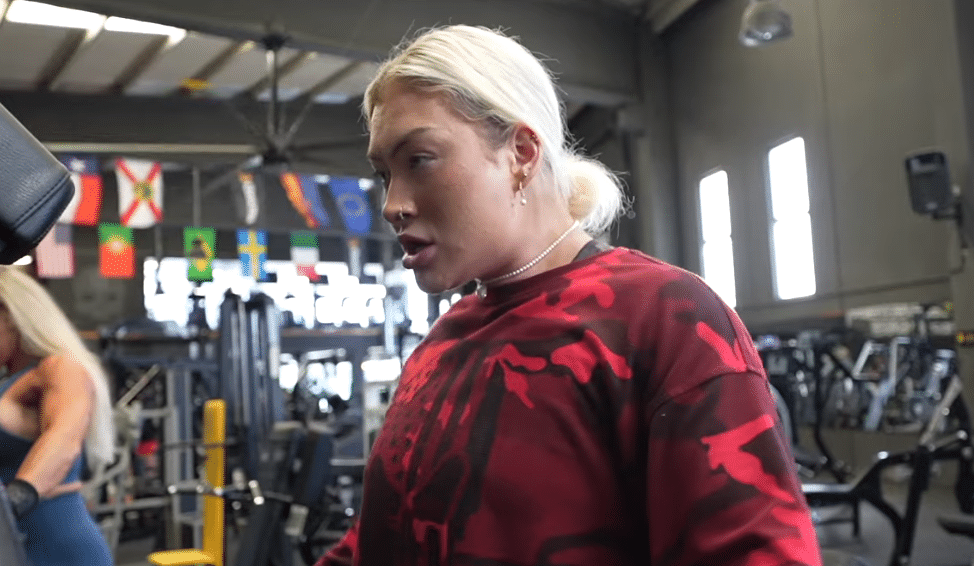
A small town in the east of Scotland is where Small grew up. She first started having problems with anorexia when she was about 15 years old. She said the disorder got so bad that she lost about 70 pounds.
You should look at that number and pictures of her competing at the 2021 Europa Pro Championships in Alicante, Spain, and winning first place in the women’s fitness division with a sense of confidence that looked like it was well-earned. She was honest about the difference between those two realities, and that was a big part of how people knew her.
She said that bodybuilding changed the way she felt about her body in every way. Instead of trying to hide, she was making something. She got her IFBB Pro card when she was only 19. In 2021, she made her professional debut, and that same year, she qualified for and competed in the Olympia, where she came in 12th place in the Fitness division. That’s not a footnote for a first-year pro. That is the kind of result that makes or breaks a career; most competitors take years, if ever, to get it.
At the 2022 Mr. Big Evolution Pro in Portugal, he won his second professional title. She won twice before she turned 23. She qualified for the 2022 Olympia but didn’t go because of what were called “health concerns” at the time. She never competed again after that. Probably most people thought it was only temporary. Now that I think about it, that withdrawal that was never explained carries more weight.
In a podcast she recorded when she was 22, she talked about gaining more than 40 pounds during an 18-month “improvement season.” To fuel her training, she ate about 6,000 calories every day. The host said she was moved by how positively she put it, which is important because she was talking about the work of rebuilding a body that had been destroyed by an eating disorder. People outside of bodybuilding were interested in her story because she was honest, which doesn’t happen very often in competitive fitness.
The cause of her death has not been made public as of this writing. Some people on social media said she might have had a stroke in the days before she died, but neither her family nor any official source has confirmed this. It makes sense for them to be quiet. It’s also tough to sit with.
If you’re in the bodybuilding community, you probably don’t talk about the link between competitive fitness culture and a history of eating disorders very much. The death of Small may bring that subject a little closer to the surface.
No one is being blamed for that. There is no evidence that her career as a competitive athlete caused her death. The question isn’t completely silly, though, and the sport usually doesn’t keep it open for long before moving on to the next thing.
What won’t go away easily is how people who followed her work feel. The response from athletes, coaches, fitness journalists, and longtime fans didn’t seem like a social media performance, but rather like real confusion. People liked her not only as a competitor, but also because she was honest in a place where being honest about being weak isn’t usually seen as a good thing.
Alyx Small won three times. She got to the biggest stage in bodybuilding. She turned one of the worst times of her life into something that gave others hope they could get better.
She was 26 years old. It’s still hard to read that sentence.
FAQs
1. How old was Alix Small when she died?
She was 26 years old at the time of her passing.
2. What was Alix Small known for in bodybuilding?
She was a two-time IFBB Pro champion and 2021 Olympia competitor.
3. Has a cause of death been confirmed?
No official cause of death has been publicly disclosed as of now.
4. Did Alix Small ever discuss her battle with anorexia?
Yes, she openly spoke about recovering from anorexia in interviews and podcasts.
5. When did Alix Small earn her IFBB Pro card?
She earned her Pro card at just 19 years old.