
There is a small amount of unease in the thought of seeing your own serious illness on TV. This is not in a doctor’s office. Not because it hurts or there was a clear sign. Yes, it’s right there on the screen, staring back at you while you work. In December 2008, that’s exactly what happened to Clare Balding. It’s the kind of detail that stays with you long after you hear the story.
Balding, who was in her late 30s at the time and was already well-known on the BBC, was looking at old videos of herself at the Olympia International Horse Show when she noticed something strange. She lumped her neck. It might have been easy to brush it off—presenters are very aware of how they look on camera, and the mind can quickly come up with honest reasons for things. But she went to get it checked out because of something. It turned out that her instinct might have saved her life.
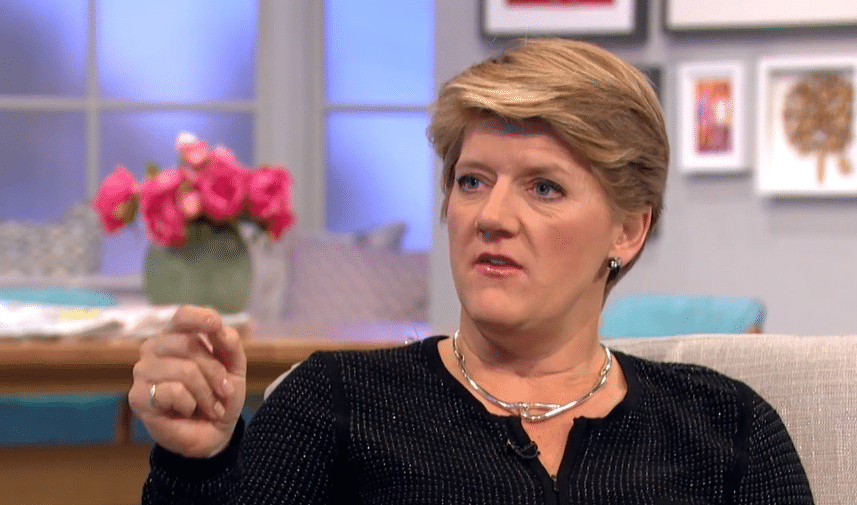
The next thing that happened with Clare Balding was that she was diagnosed with thyroid cancer, which makes a lot of people feel slightly uncomfortable. Friends and acquaintances who meant well told her it was the “good cancer.”
She remembers hearing that phrase with a mix of confusion and mild anger. That comment says more about how awkward people think illness is than it does about what it’s really like to live with it. After surgery to remove a cyst and the whole thyroid gland, she had radioactive iodine therapy, which was not exactly a short-term pain. She was given the all-clear, but what she had been through had changed her in ways that couldn’t be undone.
Years later, it’s interesting to see how openly Balding has dealt with the bigger questions that her diagnosis made her think about. She recently told Saga magazine that the event “made me realize pretty young that we don’t all get as long as we think we’ll have.” The sentence is simple and almost quiet. There was no display of wisdom. There was no dramatic turn into inspiring territory. No more than a woman who went through a tough time and now knows how to better manage her time.
It looks like that understanding went all the way to her funeral. It’s the Black Beauty theme song that she’s already chosen, and the way she talks about it is strangely moving. She said, “I can kind of picture galloping off the station, off the earth, to that music.” It does make sense to someone whose life has been shaped by horses, sports, and the beats of live TV. It’s specific and personal, and it’s not at all sick in the way you might think.
In the same reflective tone, Balding has also talked about her late father, racehorse trainer Ian Balding. His last few years were more peaceful, and he was more likely to tell her he was proud of her. Before his health got really bad, he asked about her wife Alice Arnold and told her what he thought in a few words. “All right. “She’s a good pick.” That exchange shows a whole relationship—one that is complicated, warm, imperfect, and real.
Balding’s willingness to talk about illness, death, and the feelings that come with personal loss makes her stand out from the smooth broadcast persona that many hosts try to keep up at all costs. The story of Clare Balding’s illness is more than just a story of survival. It’s more about how a diagnosis changes your internal clock and how everything seems to fit in a different place. When someone is really sick, they might want to forget about it all. Balding, on the other hand, seems to have done the opposite: she talks about it in a way that feels less like therapy and more like being honest.
Depending on where you are in life, her more general thoughts may speak to you. At age 55, she still has a full career ahead of her and what seems to be a strong marriage. Even though she is sick, she is not consumed by it. It’s possible that that is the stranger thing. Not the fact that she lived at all, but the ease with which she seems to have accepted that it did happen.
FAQs
1. What illness did Clare Balding have?
Clare Balding was diagnosed with thyroid cancer in 2008.
2. How did Clare Balding discover her cancer?
She spotted a lump on her neck while watching herself on television.
3. What treatment did Clare Balding receive for her cancer?
She underwent surgery to remove her thyroid gland and radioactive iodine therapy.
4. Has Clare Balding fully recovered from thyroid cancer?
Yes, she was given the all-clear following her treatment.
5. How did the illness change Clare Balding’s outlook on life?
It made her realise life is shorter than people assume.