
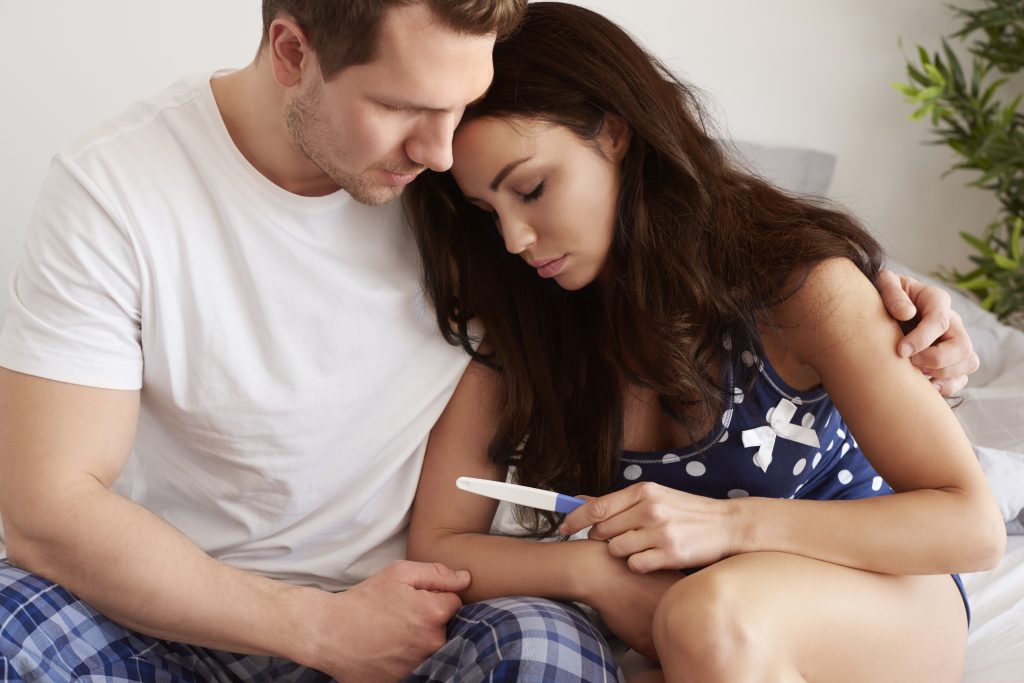
Initially, it was merely a silent inquiry between glances. A subtle feeling—noticed but not spoken—that their infant, though passionately loved, didn’t quite resemble either of them.
John and Jane Doe, a married couple residing in Florida, had trusted a fertility clinic to help them create a family. Their child was born healthy and full-term in December 2025. By all clinical reports, the procedure had been a success. But something didn’t sit right.
| Event | Florida couple sues IVF clinic after discovering baby is not genetically theirs |
|---|---|
| Date of Lawsuit Filed | January 9, 2026 |
| Child’s Birth | December 11, 2025 |
| Clinic Involved | Fertility Center of Orlando, operated by Dr. Milton McNichol |
| Legal Claim | Embryo implanted was not from the couple’s genetic material |
| Verification | DNA testing confirmed no biological relationship |
| Requested Action | Genetic testing for past patients and notification of potential errors |
| Emotional Impact | Parents bonded with baby but believe she belongs with her genetic family |
| External Source | People |
Over the next few weeks, as they studied the little nuances of their daughter’s face, that peaceful feeling became harder to ignore. Both parents are Caucasian. Their baby, it appeared, was not.
In January 2026, a DNA test verified what their instincts had began to believe. There was no genetic connection between either of them and the child they had carried and delivered.
The discovery was shocking. There wasn’t an easy roadmap for how to respond to something so intimate and so irreparable. Emotionally committed, yet biologically unconnected, they now found themselves navigating a completely unexpected situation.
The couple filed a lawsuit against the Fertility Center of Orlando and its principal doctor, Milton McNichol. For the benefit of other families who might be impacted by similar mistakes as well as for themselves, they are requesting that the court act right away.
They’re not merely pointing fingers. They’re asking for systemic responsibility. Their demands include free genetic testing for patients treated by the clinic over the past five years, notifications for all impacted families, and full transparency on any additional mismatches detected.
Their problems reach much beyond their household. One of the most unsettling possibilities is that their own embryos may have been put into another woman—who may now be unknowingly raising their biological child.
That concept, very disconcerting, is at the heart of their appeal for swift investigation. Furthermore, it is based on proof that something basic went wrong rather than being an abstract worry.
The clinic responded with a well worded statement, promising that they are collaborating with investigators. They emphasized honesty and the well-being of the families involved. But for John and Jane, silence in the days after their initial inquiry just deepened the damage.
Emotionally, the couple has found themselves suspended in a conundrum. They love the youngster they brought home. Every bottle, every midnight rocking session, every soft sigh has deepened their attachment.
Yet they believe—firmly, and with a sense of moral clarity—that this kid has another set of parents who deserve to know she exists.
The border between legal parenting and biological origin is not often precisely delineated. This case, packed with emotional nuance and ethical complexity, is poised to challenge those boundaries in a particularly significant way.
I found myself halting when I read their remark about how “the emotional bond grows stronger every minute of every day that Baby Doe remains in their care.” It felt like a reality that transcends biology.
This isn’t a story of abandonment. The couple hasn’t sought to remove themselves from the child. Instead, they’ve chosen to face the complexity with integrity, balancing their love for the infant with their sense that justice also entails honesty.
They are not seeking damages alone—they are seeking resolution. Their legal request is predicated on the concept that all families affected by this potential mix-up ought to know the truth, regardless of how terrible that information could be.
The judicial system has seen its share of challenging family cases, but few entail such a sensitive junction of reproductive medicine, personal identity, and parental obligation.
The Does are also advocating for change by bringing the action. IVF treatments have grown considerably in recent years, but the mechanisms supporting embryo tracking and verification have not always evolved with the same speed.
It’s a procedure that still depends on human protocols—labels, records, time. And when those protocols fail, the repercussions are not just procedural. They are people.
For clinics, keeping trust is very crucial. For patients, such faith is frequently all they have to grasp onto during the emotionally and physically taxing path of assisted reproduction.
What’s especially notable is that the Does aren’t rejecting the baby—they’re honoring their attachment with her while still arguing for truth. They’ve said they are willing to continue raising the child if her biological parents are not identified or are unable to care for her.
That statement, remarkably compassionate, gives another dimension to their situation. It turns the lawsuit from a reactive gesture into something proactive—something oriented not on blame but on accountability.
It is definitely unpleasant for them to be in this predicament. But their response has been deliberate, smart, and astonishingly durable.
In future months, their case may lead to bigger conversations about regulation in fertility techniques. It might force clinics to adopt more traceable and secure practices. Additionally, it might inspire other families to pose challenging queries.
For now, the couple is living in limbo. However, by acting, they have also reclaimed something fundamental: the right to information and the freedom to decide how to use it.
And that, regardless of the outcome, is a step toward healing.