
It had been three days since the woman on the screen had dressed, and she was crying. Her therapist, a Brooklyn-based clinical psychologist with 19 years of experience, told me that she now frequently encounters this type of situation. She always saw that, not the crying. The pajamas. The hair was unbrushed at 2:00 PM. Weekdays and weekends blend slowly, almost imperceptibly, into what looks like a long, beige tunnel. “She used to come into my office in heels,” the therapist recalled. “Now I’m not sure she owns a pair anymore.”
We’ve been telling ourselves a story about working remotely since 2020, and it still seems appealing on paper. Not a commute. Sweatpants. The dog is taken for a walk. Whatever’s in the refrigerator is lunch. In theory, everyone wins when businesses save money on real estate and employees get back their mornings. However, after spending a few hours sitting with a therapist in the same manner as clients, a different picture begins to take shape. quieter. less commercially viable. Much more concerning.
Since the great work-from-home migration started, therapists in the US and Europe have been reporting an obvious pattern in their caseloads in trade publications, casual conversations, and the occasional viral Substack. The level of stress has increased. The level of anxiety has increased. Previously only used by emergency room physicians and corporate attorneys, mid-level marketing managers now use the term “burnout” to describe their typical Tuesday. According to a 2023 systematic review, working remotely tends to increase anxiety and weaken social connections while lowering exposure to some physical workplace hazards. The majority of therapists I spoke with responded to this finding with the tired look of someone who has been told that the sky is actually blue.
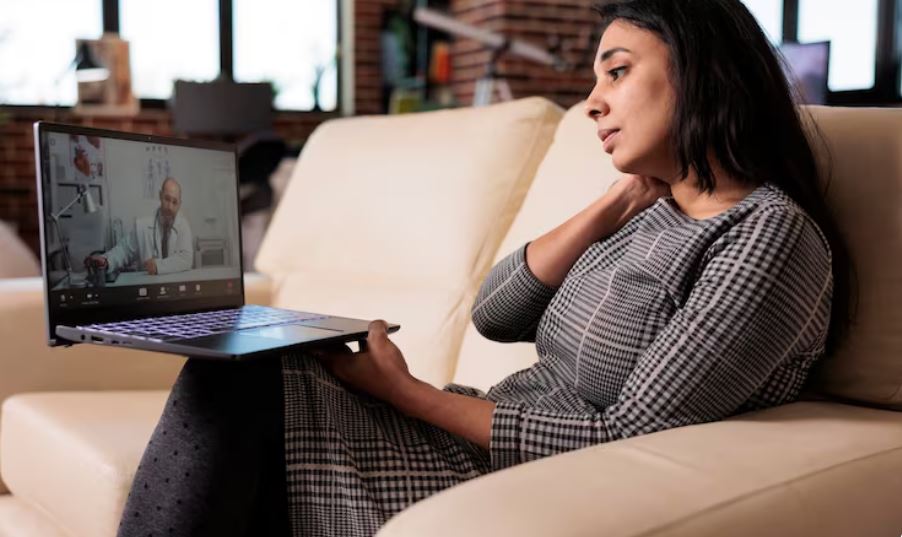
They start by discussing the blurred boundary issue. A software engineer client in Austin was described by a counselor as eating dinner at his desk because it was three steps from his refrigerator and getting up felt pointless. He claimed to have worked “from when I open my eyes to when I close them.” He hadn’t been asked to by his employer. No one had. The anticipation had just permeated the apartment like moisture through a wall. By the time he arrived at therapy, he was experiencing heart palpitations when he woke up at four in the morning, certain that he had missed an unreal Slack message.
That phrase kept coming up, but it didn’t exist. phantom alerts. imagined due dates. the increasing incapacity to distinguish between a fleeting sense of guilt and nervous system static brought on by spending too much time in one place. It’s the kind of low-grade dread that can eventually deplete a person but doesn’t appear on any productivity dashboard. Anxiety post-transition increased by 15% and work-life conflict increased by 20%, with younger workers and caregivers reporting the sharpest declines, according to a 2025 study that followed 200 remote workers across industries. These kinds of numbers often elicit a nod from therapists. One client at a time, they have witnessed the math enter their offices.
The loneliness is becoming worse in part because it is more difficult to discuss. Despite all of its annoyances, office life has what one therapist referred to as “ambient companionship”—the coworker who inquires about your weekend in the elevator, the small talk by the coffee maker, and the eye contact with the security guard. You might not even notice their absence in the first week if you take those away. In the eighth month, you become aware of it when you realize you haven’t had a face-to-face conversation with anyone for nine days and your voice breaks the first time you try. According to surveys, between 40 and 55 percent of remote workers report feeling significantly more alone than their counterparts who work in offices. Therapists note that this often manifests as irritability, sleeplessness, or an indeterminate sense of illness that no medical professional can identify.
It’s difficult to ignore the fact that the most impacted individuals aren’t always the ones you would anticipate. It’s true that extroverts complain the loudest, but introverts frequently suffer more subtly and profoundly because they thought working remotely would be a natural fit for them. Many find out that they truly enjoyed the office, with a sort of bewildered grief. It wasn’t until it was gone that they realized how much they liked it. I was told a story by a Manchester therapist about a self-described misanthrope client who eventually broke down and said he missed the man who used to refill the printer. He was unaware of the man’s name. He simply missed him.
This has a class component that isn’t always included in the conversation. It’s a real debate among knowledge workers about whether to work two or three days a week, but it’s also a luxury debate. None of the employees—nurses, warehouse workers, and bus drivers—are debating whether or not to bring their laptops to Lisbon for a month. The mental health narrative surrounding remote work is, in many respects, a story about a specific segment of the white-collar economy, and therapists who work with larger populations may find the discussion to be somewhat narrowly focused. However, even in that portion, there is actual suffering, and ignoring it doesn’t alleviate it for anyone.
When prescribing is the appropriate word, what therapists recommend often sounds surprisingly straightforward. Put on your clothes. Before noon, leave the apartment. The laptop should not be placed in the bedroom. Make an appointment to have lunch with someone, not a podcast. Create what one clinician famously referred to as “fake commute” rituals, such as taking a walk around the block before checking email and another at the end of the day, to tell your body that something has changed even though it hasn’t. When you try to follow the advice for a month, you realize how much consistent effort it takes to maintain a self when the architecture of the workday no longer works for you. At first, the advice seems almost embarrassingly simple.
For their part, organizations are adopting it unevenly and slowly. Some have mandated camera-off meetings, expanded employee assistance programs, and instituted mental health days. Others have sent branded fleece vests as a sort of response to the loneliness epidemic. Therapists often discuss whether any of this truly makes a difference with a mix of optimism and skepticism. Some told me that the deeper issue isn’t that businesses don’t give a damn. It’s that no wellness app has yet figured out how to absorb the costs associated with the distributed, asynchronous, always-on model.
It seems like we built the airplane while flying it and are only now realizing that some bolts were never tightened as we’ve watched this develop over the last five years. As they say, the genie is out of the bottle and has set up a standing desk in the living room, so remote work is here to stay. However, the therapists have their tissues close at hand, their schedules packed, and their notebooks open. Something is being heard by them. For now, it remains to be seen if the rest of us are paying attention.