
Close Menu
Private Therapy ClinicsPrivate Therapy Clinics
    Facebook X (Twitter) Instagram
    Facebook X (Twitter) Instagram
    Private Therapy ClinicsPrivate Therapy Clinics
    Subscribe
    • Home
    • News
    • Mental Health
    • Therapies
    • Weight Loss
    • Celebrities
    • Contact Us
    • Privacy Policy
    • Terms Of Service
    • About Us
    Private Therapy ClinicsPrivate Therapy Clinics
    Home » The Quiet Rise of Private Mental Health Assessments
    Mental Health

    The Quiet Rise of Private Mental Health Assessments

    By Jack WardMay 22, 2026No Comments4 Mins Read
    Facebook Twitter Pinterest LinkedIn Tumblr Email
    Share
    Facebook Twitter LinkedIn Pinterest Email

    Almost no one discussed having a private assessment a few years ago. You held off. You added your name to a list, eventually received a letter, and the entire process took place gradually within the public system, as these things were meant to. That has changed, and since there was no announcement, it has changed in a way that is simple to overlook. It gradually spread, one person at a time, until all of a sudden half of the people you know appear to have either paid for an evaluation or are secretly considering it.

    The figures that support this are straightforward. The wait time for an initial NHS ADHD assessment can now range from a few months to several years in some parts of the UK, with backlogs in some trusts reaching hundreds of weeks. Prescriptions for private ADHD medications increased fourteenfold in about five years, from 28,439 in 2018–19 to 397,552 in 2023–2024. It’s not a trend line. It’s a stampede. It also reveals how many people came to the conclusion that waiting was no longer a viable option at some point. Although the money is important, I don’t think it’s the most fascinating aspect of AuDHD Psychiatry.

    The initial diagnostic interview at a reputable clinic in 2026 will cost about £800, and complete packages that include follow-up can cost more than £1,000. The emotion that underlies the choice is what makes it interesting. People are purchasing more than just speed. They are purchasing an early sense of being taken seriously. A parent witnessing a child fall behind in school or an adult who has spent decades wondering why commonplace things felt more difficult than they should are two examples of the stories’ quiet desperation. The private door begins to appear less like a luxury and more like a necessity when the public door is closed for two, three, or five years.

    In real time, the system itself has been faltering. Several NHS regions instructed private providers to cease scheduling new evaluations in late 2025 because the funds supporting them had run out for the year. Citing a sharp rise in demand, NHS Tayside stopped accepting new referrals for ADHD and autism to its child mental health service, stating that it could only accept children with co-occurring mental health issues. Go back and read that. A courteous note is attached to a diagnostic door that is closing. It’s difficult to ignore its peculiar logic: the more difficult a system is to access, the more a parallel market develops next to it.
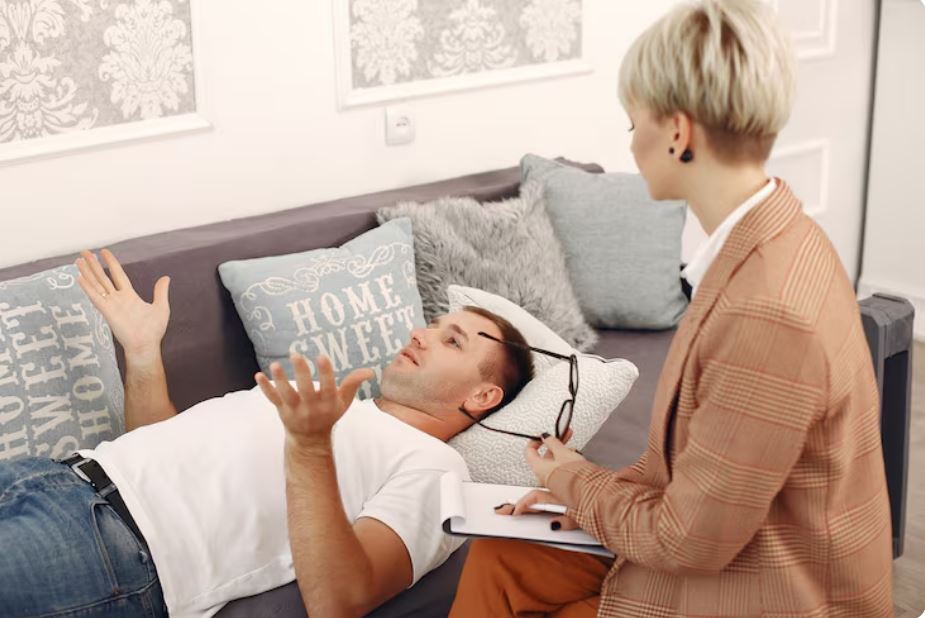
    The Quiet Rise of Private Mental Health Assessments
    The Quiet Rise of Private Mental Health Assessments

    The texture of that parallel market is unique. Many of these clinics focus on cases that the traditional system has historically overlooked, such as women with ADHD, adults who receive a late diagnosis, and individuals whose symptoms don’t fit the typical profile that a busy general practitioner was taught to recognize. There’s a feeling that private providers simultaneously identified a problem and a gap, then built something on top of both. It’s still unclear if that’s a symptom or a solution. It’s most likely both.

    Part of what worries me about online triage, video consultations, and reports that are completed in a matter of weeks is that it can feel almost seamless. A fast-arriving diagnosis carries weight, and weight deserves resistance. However, most people are unaware of the catch. A general practitioner (GP) has the legal right to refuse to take over prescriptions, even in cases where a private diagnosis is perfect. In 2026, some surgeries are refusing shared-care agreements in order to preserve their own budgets. Thus, even after paying £800 and receiving your response, you will still be stuck.

    The thing that sticks with me is how commonplace everything has become. This is not how it should operate, according to anyone. One appointment at a time, people simply began using their own funds to solve individual problems, and the culmination of those tiny, private decisions has changed the way diagnosis is done in this nation. The queue was constructed by the public system. The exit was constructed by the private one. The rest of us are still trying to figure out what we lost while they were apart.

    Mental Health
    Share. Facebook Twitter Pinterest LinkedIn Tumblr Email
    Jack Ward
    • Website

    Jack Ward contributes to Private Therapy Clinics as a writer. He creates content that enables readers to take significant actions toward emotional wellbeing because he is passionate about making psychological concepts relevant, practical, and easy to understand.

    Related Posts

    Emergency Mental Health Services London, Ontario: What to Do When You Can’t Wait

    July 17, 2026

    What 20 Years of CBT Research Actually Proves — And the Part Nobody Talks About

    July 9, 2026

    Gina Carano Plastic Surgery Face: What the Photos Actually Show

    July 7, 2026
    Leave A Reply Cancel Reply

    You must be logged in to post a comment.

    Health

    Billy Ray Smith Jr. Illness: How CTE and Dementia Ended the Life of a Chargers Legend at 64

    By Jack WardAugust 6, 20260

    Billy Ray Smith Jr. said something in an interview in 1987 that is nearly intolerable…

    Cheryl Strayed’s Husband’s Illness: The Rare Brain Disease That Took Brian Lindstrom in Just Two Weeks

    August 6, 2026

    Is David Bromstad Sick? The Truth Behind the Hospital Photos, Cancer Rumors, and Real Health Story

    August 6, 2026

    Tom Chadbon Illness: What We Know About the Short Illness That Took the Doctor Who Star at 80

    August 6, 2026

    Bill Oddie Illness: The Depression, Bipolar Disorder, and Near-Fatal Lithium Crisis That Defined His Final Years

    August 6, 2026

    Amanda Staveley’s Illness: How Huntington’s Disease Shaped the Woman Who Changed Newcastle United Forever

    August 3, 2026

    Keeley Hazell Illness Rumours Debunked — The Real Health Story Behind Her Memoir’s Raw Confessions

    August 3, 2026

    From the San Siro to a Hospital in Rozzano — The Final Chapter of Franco Baresi’s Illness

    August 3, 2026

    Gemma Collins ‘ Mum’s Illness: The Heartbreaking Pneumonia Battle That Ended Joan Collins’ Life at 70

    August 3, 2026

    Sean Hannity Weight Gain Explained: The Medication Side Effect His Viewers Couldn’t Stop Talking About

    August 3, 2026

    Steve Waid Illness: The Long Battle That Finally Claimed NASCAR’s Most Beloved Writer

    August 3, 2026

    Derek Bottoms Lost 20 Pounds in One Week — The Untold Story of Keisha Lance Bottoms’ Husband’s Illness

    August 3, 2026
    Pages
    • About Us
    • Contact Us
    • Home
    • Privacy Policy
    • Terms Of Service
    About

    Private Therapy Clinics is an independent online magazine covering therapy, mental health, and wellbeing across the United Kingdom. We are not a clinic, and we do not provide medical or therapeutic services. What we do instead is tell the stories of an industry that rarely tells its own.
    The world of private healthcare in Britain is famously discreet. It operates behind frosted glass and understated brass plaques, from Harley Street consulting rooms to residential retreats in the countryside. Yet demand for these services has never been higher. NHS waiting lists have grown, conversations about mental health have moved into the open, and more people than ever are weighing up private care for the first time — often with very little independent information to guide them.

    Billy Ray Smith Jr. Illness: How CTE and Dementia Ended the Life of a Chargers Legend at 64

    August 6, 2026

    Cheryl Strayed’s Husband’s Illness: The Rare Brain Disease That Took Brian Lindstrom in Just Two Weeks

    August 6, 2026

    Is David Bromstad Sick? The Truth Behind the Hospital Photos, Cancer Rumors, and Real Health Story

    August 6, 2026

    Tom Chadbon Illness: What We Know About the Short Illness That Took the Doctor Who Star at 80

    August 6, 2026
    Facebook X (Twitter) Instagram Pinterest
    © 2026 ThemeSphere. Designed by ThemeSphere.

    Type above and press Enter to search. Press Esc to cancel.