
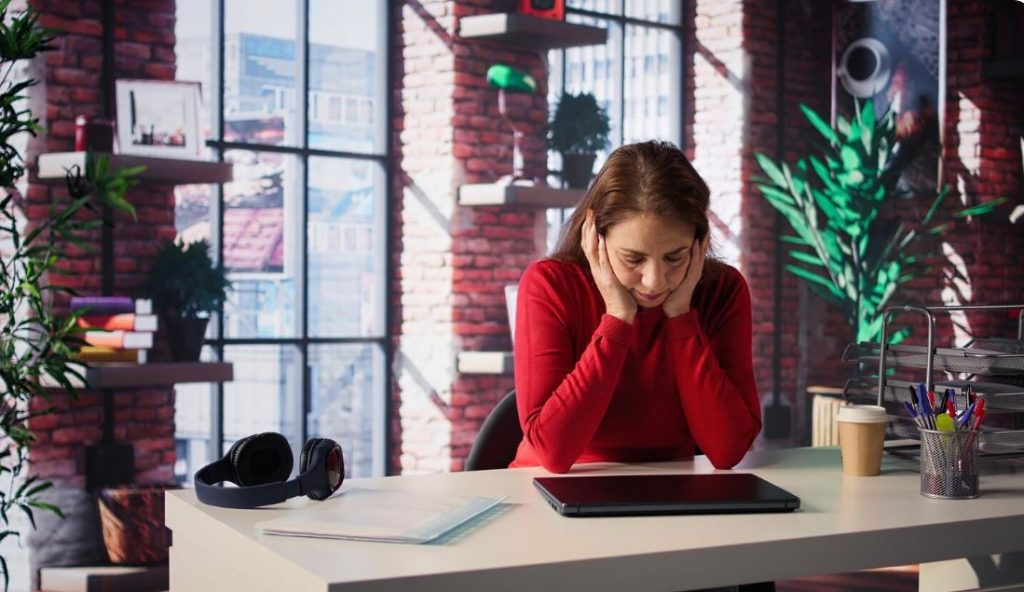
It begins with the brief but courteous statement, “I’m busy.” It frequently has more weight than the actual words and comes off the tongue as naturally as a sigh. There is a faint fear of silence beneath it, a whisper of anxiety. For a lot of people, being busy is more about protecting themselves from the awkward silence that could show how uncomfortable they really are than it is about being productive.
Psychologists have noted that “busyness” has evolved into a silent addiction during the last ten years. We wear our tiredness as a badge of honor, run errands on the weekends, and check our emails at midnight. The phrase “I’m busy” has become a statement of value. People who describe themselves as always busy are seen as more capable and ambitious, according to research from Harvard. However, emotional exhaustion—a pattern remarkably similar to those coping with anxiety disorders—is frequently hidden by this constant motion.
| Aspect | Description |
|---|---|
| Meaning | “I’m busy” often reflects anxiety, a desire for control, and the need for validation rather than genuine productivity. |
| Cultural Influence | Modern hustle culture glorifies constant activity, equating busyness with success and self-worth. |
| Psychological Impact | Chronic busyness fuels stress, emotional detachment, and avoidance of self-reflection. |
| Health Effects | Continuous overwork can lead to burnout, anxiety, and reduced cognitive clarity. |
| Shifting Trend | Public figures and therapists encourage redefining productivity to include rest, creativity, and emotional awareness. |
| Authentic Reference | https://thelemur.org/2025/10/14/stop-saying-youre-busy/ |
Being busy feels safe to those who want control in uncertain times. It works incredibly well as a diversion from bothersome ideas or persistent anxieties. According to author and business strategist Pamela Slim, insecurity is frequently the root cause of the urge to be busy. We convince ourselves that we are valuable by filling our calendars to the brim, even though the work we do exhausts us.
According to a recent editorial on Thelemur.org titled “Stop Saying You’re Busy,” this cultural obsession started as a workplace custom and permeated everyday discourse. People have discovered that being busy sounds impressive, even noble, from Wall Street executives to students. In actuality, though, it has evolved into a socially acceptable strategy to avoid being vulnerable. A common translation of “I’m busy” is “I don’t know how to rest without guilt.”
The emotional toll is high. Busyness, according to psychologists, is a type of avoidant coping in which emotional processing is replaced by constant activity. We use to-do lists to block out uncertainty rather than sitting with it. People use busyness to cope with existential fear, which is the uneasiness that comes when life seems out of control, according to one therapist. Surprisingly, we appear to have less control over our own mental health the more we strive to manage our time.
This phenomenon has been exacerbated by social media. Invisible pressure to “keep up” is created by platforms that highlight productivity as evidence of value. Even leisure is reframed as content, such as well-planned vacations, “productive” morning rituals, or fitness regimens. Previously viewed as a form of recovery, rest has evolved into a performance. Curated images of perpetual motion have significantly diminished the quiet times when our minds can roam.
Numerous public personalities have discussed breaking free from this cycle. Shonda Rhimes acknowledged that she had previously avoided facing her own dissatisfaction by being busy. Her “Year of Yes” turned into a lesson about intentionally slowing down to regain joy. Similar to this, Arianna Huffington founded a whole business on the idea that taking a break is essential rather than luxurious after she passed out from exhaustion. Their tales bring to light an almost radical truth: taking a break is an act of bravery, not sloth.
“I’m busy” is a cover for unspoken fear for countless people. Fear of introspection, fear of insignificance, and fear of missing out. It’s a subtle anxiety loop, according to psychologist Danielle Wayne: people get anxious when they’re not doing anything, so they stay busy to feel like they have a purpose, which makes them feel even more anxious. It’s a self-sustaining cycle that is incredibly exhausting despite appearing productive.
This pattern was momentarily disrupted by the pandemic. People rediscovered the simplicity of silence as cities came to a halt. At times, slowing down felt liberating and even therapeutic. But the addiction to movement returned as routines did. The meetings resumed, the inbox refilled, and the quiet we had come to accept disappeared behind alerts.
It’s interesting to note that busyness and loneliness frequently coexist, according to research published in Psychology Today. A lot of people who say they’re “too busy” also say they feel disengaged. It’s the absence of presence, not the absence of people in their immediate vicinity. We lose the ability to connect when our focus is divided. Therefore, loneliness is about being inaccessible, even to ourselves, rather than being alone.
According to a quote by businessman Mike Kaeding, “I’ll never pretend to be too busy.” Yes, I am busy, but not at the expense of my humanity. His reflection touched a chord with everyone because it encapsulated something we’ve long disregarded: that meaningless busyness is a kind of silent despair. It’s action without contemplation, progress without fulfillment.
Making small, intentional decisions is the first step in moving away from this mindset. We can use phrases like “I need rest” or “I’m focusing on myself right now” in place of “I’m busy.” These words are incredibly honest and straightforward. By indicating that our value is independent of our workload, they make room for authenticity. People can regain equilibrium, creativity, and empathy by making rest and introspection a priority. These traits are frequently lost in the clamor of daily tasks.
To unlearn busyness, therapists advise taking doable actions. One is to plan actual downtime as a routine rather than a reward. Another is to engage in mindful awareness, which involves taking a moment to observe our feelings instead of our next course of action. The brain starts to re-calibrate through regular introspection, finding peace in silence instead of fear. This change redefines ambition, making success more humane and sustainable, rather than erasing it.
“I’m busy” may become less appealing as the culture gradually embraces balance over burnout. Together, we are discovering the benefits of rest and the profoundly creative potential of stillness. For a generation worn out by the quest for approval, this viewpoint is especially helpful.
The subdued nervousness that lies behind “I’m busy” is a reminder that we are all human and yearn for purpose beneath the chaos, not a sign of weakness. We create space for something richer: calm, clarity, and connection when we let go of the need to fill every hour. Because sometimes saying “I have time” is more impactful than saying “I’m busy.”
References
Psychology Today — The Loneliness Epidemic Is Worse Than You Think
Vilhauer, M. (2025, November 7). The Loneliness Epidemic Is Worse Than You Think. Psychology Today.
https://www.psychologytoday.com/us/blog/the-mood-lab/202511/the-loneliness-epidemic-is-worse-than-you-think
Thought Catalog — What It Means When Someone With Anxiety Says They’re Busy
Robinson, K. J. (2019, March 15). What It Means When Someone With Anxiety Says They’re Busy. Thought Catalog.
https://thoughtcatalog.com/kirsten-j-robinson/2019/03/what-it-means-when-someone-with-anxiety-says-theyre-busy/
Good.is — 24 Things People Don’t Realize You’re Doing Because of Social Anxiety
Schuster, S. (2018, August 15). 24 Things People Don’t Realize You’re Doing Because of Your Social Anxiety. Good.is.
https://www.good.is/articles/24-things-social-anxiety