
Close Menu
Private Therapy ClinicsPrivate Therapy Clinics
    Facebook X (Twitter) Instagram
    Facebook X (Twitter) Instagram
    Private Therapy ClinicsPrivate Therapy Clinics
    Subscribe
    • Home
    • News
    • Mental Health
    • Therapies
    • Weight Loss
    • Celebrities
    • Contact Us
    • Privacy Policy
    • Terms Of Service
    • About Us
    Private Therapy ClinicsPrivate Therapy Clinics
    Home » Why 10-Year-Olds Are Now Showing Up in UK Therapy Clinics — And What It Says About a System in Freefall
    All

    Why 10-Year-Olds Are Now Showing Up in UK Therapy Clinics — And What It Says About a System in Freefall

    By Jack WardJune 5, 2026No Comments3 Mins Read
    Facebook Twitter Pinterest LinkedIn Tumblr Email
    Share
    Facebook Twitter LinkedIn Pinterest Email
    Why 10-Year-Olds Are Now Showing Up in UK Therapy Clinics
    Why 10-Year-Olds Are Now Showing Up in UK Therapy Clinics

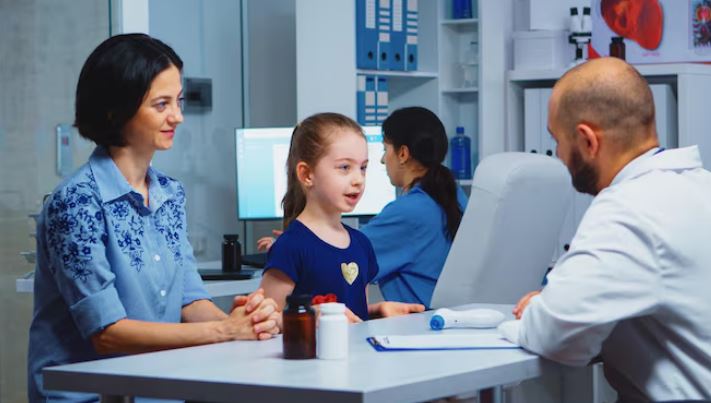
    The waiting room of a children’s mental health clinic has a certain kind of quiet. It’s not the impatient silence of A&E or the restless silence of a general practitioner’s office. It is not as big. The chairs are lowered. The magazines focus on animals. Additionally, a growing number of the kids seated in them are startlingly young—eight, nine, or ten years old—waiting for appointments that frequently took over a year to come to pass. Anyone watching what’s going on in Britain’s overburdened mental health system should be unnerved just by that image.

    By now, the numbers are nearly unbearable. In England, there are currently more than 500,000 kids and teenagers waiting for mental health care. Over half of them have been waiting for more than a year. Approximately 165,000 people, or nearly a third, have been waiting for more than two years. Two years is a sixth of a twelve-year-old’s life. By the time some of these kids do see a specialist, it’s possible that the initial issue has grown into something much more serious and challenging to treat.

    There isn’t a single clear explanation for what’s causing this. The most frequent cause of referrals for children is anxiety, which is followed by crisis-level distress. Social media exposure, post-pandemic aftershocks, academic pressure, and the cost of living squeeze all seem to be coming together to create a generation that lacks the vocabulary to express their emotions. According to YoungMinds, a charity that analyzes NHS data, there were almost 135,000 new referrals in March 2026, the most ever in a single month. In just one month, the number of young people receiving urgent and emergency mental health referrals increased by 16%.

    In the meantime, community health services—the kind that identify developmental problems early on, such as speech delays or autism evaluations—are drowning. In England, there are about 300,000 children on those lists, and 25% of them have been waiting for more than a year. The number of kids who have to wait a full year has increased sixfold since 2023. Before spending four thousand pounds on private therapy, a parent from London named Tiya Currie spent two years attempting to have her six-year-old evaluated. Her tale is not unique. For families who can afford it, it’s becoming the standard; for those who can’t, it’s a dead end.

    The Royal College of Psychiatrists has expressed concern that children who are in a state of uncertainty may seek emotional support from AI chatbots. The idea of children using Google to find mental health advice from an algorithm seems like a failure of both infrastructure and creativity. The president of RCPsych, Dr. Lade Smith, has been direct: treatable childhood conditions are being allowed to develop into chronic adult illnesses because the system is failing to recognize them in time.

    The government admits that the wait times are intolerable. It has pledged funding under a ten-year NHS plan and set an eighteen-week target for community services. It remains to be seen if that goal will endure when it comes into contact with the realities of budgeting. Reducing hospital backlogs received funding and political priority. Thus far, the topic of children’s mental health has been discussed. The difference between the two is difficult to ignore. After all, children do not cast ballots. They do nothing but wait.

    Why 10-Year-Olds Are Now Showing Up in UK Therapy Clinics
    Share. Facebook Twitter Pinterest LinkedIn Tumblr Email
    Jack Ward
    • Website

    Jack Ward contributes to Private Therapy Clinics as a writer. He creates content that enables readers to take significant actions toward emotional wellbeing because he is passionate about making psychological concepts relevant, practical, and easy to understand.

    Related Posts

    Gen Alpha Has the Highest ADHD Rate Ever Recorded. Is Diagnosis Culture to Blame?

    June 5, 2026

    How Pakistan’s Diplomatic Pressure and Global Uncertainty Are Affecting the Mental Health of British Pakistanis

    June 5, 2026

    Russia’s Oil Surge Is Feeding Economic Anxiety in the UK — Therapy Can Help You Cope

    June 5, 2026
    Leave A Reply Cancel Reply

    You must be logged in to post a comment.

    Mental Health

    Gen Alpha Has the Highest ADHD Rate Ever Recorded. Is Diagnosis Culture to Blame?

    By Jack WardJune 5, 20260

    The scene is remarkably consistent when you walk into any pediatric waiting room in a…

    Why 10-Year-Olds Are Now Showing Up in UK Therapy Clinics — And What It Says About a System in Freefall

    June 5, 2026

    The Iran Ceasefire Collapsed — And So Did the Nation’s Hope. A Therapist Explains Why That Matters

    June 5, 2026

    How Pakistan’s Diplomatic Pressure and Global Uncertainty Are Affecting the Mental Health of British Pakistanis

    June 5, 2026

    Russia’s Oil Surge Is Feeding Economic Anxiety in the UK — Therapy Can Help You Cope

    June 5, 2026

    Stock Market Volatility and Relationship Conflict — Why Arguments Spike When Markets Drop

    June 5, 2026

    “My Heart Stopped”: Alan Brazil’s Liver Transplant Story Is More Harrowing Than Anyone Knew

    June 5, 2026

    Lord Mann Takes On the NHS — And the Real Question Is Why It Took This Long

    June 5, 2026

    From Stage Four to Capitol Hill, One Cancer Survivor’s Unlikely Second Act

    June 5, 2026

    Mirvetuximab Soravtansine Just Became the First New Ovarian Cancer Drug on the NHS in Two Decades

    June 5, 2026

    The Real Cost of the Iran Conflict Is Not Just Oil Prices — It’s a Generation’s Mental Health

    June 4, 2026

    Qatar’s Gas Crisis and the Mental Health of UK Households Facing Unaffordable Bills

    June 4, 2026
    Facebook X (Twitter) Instagram Pinterest
    © 2026 ThemeSphere. Designed by ThemeSphere.

    Type above and press Enter to search. Press Esc to cancel.