
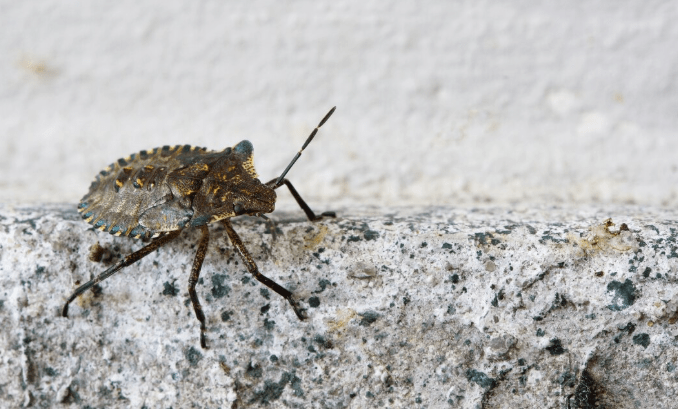
A disease linked to wartime prison camps and medieval famines appears in the same county as Beverly Hills and Malibu, which is incredibly unsettling. And yet, here we are. With 220 confirmed cases in 2025 alone, up from 187 the previous year, Los Angeles County is currently reporting the highest number of flea-borne typhus cases in its history. Almost nine out of ten patients end up in the hospital. This is a hard reality to accept for a city that tends to project an image of sunshine, wealth, and outdoor wellness culture.
Flea-borne typhus is not a recent illness. For years, it has been subtly endemic in some areas of Orange and Los Angeles counties, going unnoticed while public health officials cautiously monitored the numbers. However, something has changed. Researchers started observing an upward trend around 2010, and it has accelerated in ways that are more difficult to attribute to reporting improvements or seasonal variation. The clusters that are emerging in Central Los Angeles, Santa Monica, and the Willowbrook neighborhood in South LA indicate that the disease is spreading through communities with unsettling ease. The cases and hospitalizations are real.
| Category | Details |
|---|---|
| Disease Name | Flea-Borne Typhus (Murine Typhus) |
| Causative Bacteria | Rickettsia typhi |
| Location of Outbreak | Los Angeles County, California, USA |
| 2025 Recorded Cases | 220 (record high) |
| 2024 Cases | 187 |
| Hospitalization Rate | ~90% of infected patients |
| Primary Vectors | Infected fleas carried by rats, opossums, and stray cats |
| Outbreak Clusters | Santa Monica, Willowbrook, Central Los Angeles |
| Symptoms | High fever, headache, body aches, rash, nausea, vomiting |
| Symptom Onset | 1–2 weeks after exposure |
| Treatment | Antibiotics (effective when diagnosed early) |
| Person-to-Person Spread | No |
| Reporting Authority | LA County Department of Public Health |
| Key Official | Dr. Muntu Davis (LA County Health Officer) |
| Reference | LA County Public Health – Flea-Borne Typhus |
Strangely, the most unsettling aspect of all of this is the transmission route. Rats, opossums, and roaming cats are carriers of infected fleas, which produce bacteria-filled excrement that can enter the human body through small cuts or scrapes or even through the eyes when a person touches a contaminated surface. You don’t have to be bitten. A pet is not necessary. A rat moving through a yard at night, an opossum building a nest beneath a house, or a stray cat brushing past a porch can all set off a series of events that culminate in a hospital bed. Many people who live close to wildlife-rich areas might not be aware of the actual exposure risk on any given day.
The onset of symptoms is not immediately apparent. A person may not feel anything for one to two weeks, and when they do, it begins fairly normally, with a fever. a headache. aches in the body. The type of illness that most people ignore because they think it’s a bad flu. The illness has frequently advanced to the point where medical attention is necessary by the time the rash appears, which usually spreads throughout the torso. The LA County Department of Public Health’s medical epidemiologist, Dr. Aiman Halai, put it this way: multiple organ systems may become involved, and in severe cases, the result may be fatal. That’s not how mild seasonal illness is expressed.
It’s difficult to ignore the fact that this outbreak is concentrated, at least in part, in areas that already face serious public health issues. The fact that Willowbrook, an unincorporated neighborhood in South LA County, is listed alongside wealthier coastal areas like Santa Monica indicates that flea-borne typhus does not discriminate by income bracket, even though specific housing environments and living conditions may affect exposure risk in ways that officials have not fully disclosed to the public. It seems as though the complete picture of who is impacted and why is still developing.
The illness itself has a dark and lengthy past. In general, typhus was referred to as “jail fever,” “famine fever,” and “war fever” because it flourished in environments with inadequate sanitation, overcrowding, and damaged infrastructure. Although the mechanism of LA’s version is slightly different because it is flea-borne rather than louse-borne, the association persists. Perhaps a city that struggles with homelessness, aging housing stock in some neighborhoods, and an increasing number of urban wildlife is not as immune to 19th-century disease dynamics as it would like to believe.
At the very least, treatment is not difficult. Antibiotics are effective. Early diagnosis is crucial because it can mean the difference between a week-long illness and a potentially more serious hospital stay. Instead of waiting to see if symptoms go away on their own, public health officials advise anyone experiencing fever, rash, and body aches following possible flea exposure to seek medical attention right away. It makes sense to have a waiting instinct. In this instance, it’s also the incorrect decision.
Currently, officials are focusing most of their public messaging on prevention: treating pets for fleas all year round, avoiding contact with stray animals, securing trash to prevent rodents from building nests nearby, trimming vegetation around homes, and blocking crawl spaces. Dr. Muntu Davis described it as simple steps. However, 220 people became ill in a single year, indicating that either the message isn’t getting to the right people quickly enough or the factors pushing rodent and wildlife populations into residential areas are more difficult to address than a public advisory can. Which of those issues is more serious is still up for debate. Maybe both.
The numbers are undoubtedly going in the wrong direction, and the carelessness with which a disease from the Victorian era is spreading through one of the most famous cities in the world merits more attention than it has gotten. Large-scale public health emergencies have previously been handled by Los Angeles. It remains to be seen if it takes this one seriously enough before the 2026 figures rise even further.