

A group of teenagers silently makes their way past the school nurse’s office on a weekday afternoon in suburban Ohio. For headaches, some people go there. Others for inhalers. Before algebra class, some are taking something less obvious: medicine to calm racing thoughts. They are holding tiny paper cups filled with water.
According to the most recent data, this scene is no longer unusual.
About 16% of teenagers say they take prescription drugs to help with their emotions, focus, behavior, or mental health, according to the Centers for Disease Control and Prevention. About 4.5% of teenagers and young adults between the ages of 12 and 25 had been prescribed antidepressant medication as of 2022. Prescriptions have also been increasing, and they increased even more quickly in the early years of the pandemic.
| Category | Details |
|---|---|
| Institution | Centers for Disease Control and Prevention |
| Focus Area | Adolescent Mental Health & Prescription Trends |
| Key Statistic | 16% of adolescents report taking prescription medication for emotional or mental health needs |
| Related Research | Stanford Medicine insights on SSRIs in teens |
| Medication Class | Selective Serotonin Reuptake Inhibitors (SSRIs) |
| Reference Website | https://www.cdc.gov |
Teen anxiety may have been exposed by the pandemic rather than caused by it.
By 2023, four out of ten high school students reported feeling depressed or hopeless all the time, compared to three out of ten ten years earlier. The numbers are even higher among girls and teens who identify as LGBTQ+. It seems as though schools have evolved into emotional barometers, subtly registering a wider cultural strain as those numbers continue to rise annually.
Adolescents with moderate to severe anxiety and depression are now treated with selective serotonin reuptake inhibitors (SSRIs), such as Prozac, Zoloft, and Lexapro. When taken as directed, these drugs are safe and effective, according to Stanford Medicine doctors. According to recent studies, more than half of SSRI-using patients with generalized anxiety disorder report at least a 50% reduction in their symptoms.
However, statistics rarely convey the experience of being 16 and unable to fall asleep.
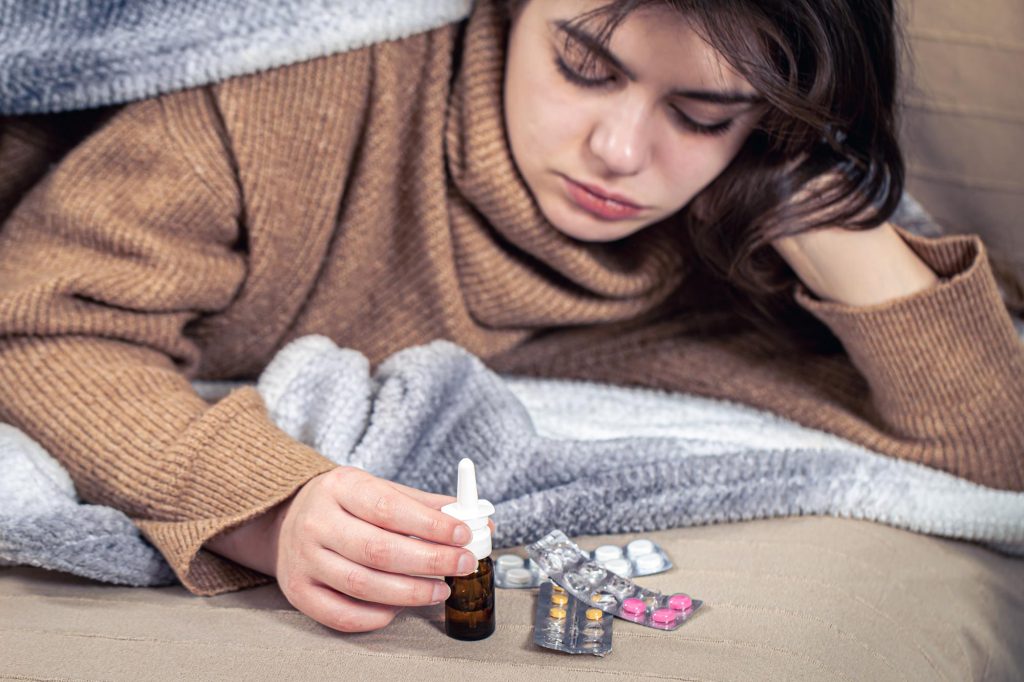
According to a child psychiatrist in Los Angeles, teenagers who arrive at her office exhausted, groping until two in the morning, and complaining of tightness in their chests before school presentations. According to a pediatrician in rural Kansas, parents are increasingly inquiring about medication at initial consultations, sometimes even before therapy is brought up. It makes sense that there is urgency. Anxiety can ruin friendships, family life, and even grades.
However, it’s unclear if the increase in prescriptions is due to a decline in mental health or a greater desire to treat it.
With pop star posters on the wall behind them, teens can now communicate with clinicians from the comfort of their bedrooms thanks to telehealth. By publicly talking about panic attacks, social media influencers have reduced stigma and normalized terms like “brain chemistry” and “serotonin levels.” It’s difficult to ignore how easily teens now discuss side effects or cognitive behavioral therapy.
Nevertheless, there has been a lot of backlash.
Opponents of the “Make America Healthy Again” movement contend that sedentary lifestyles, poor diet, and excessive screen time are the true causes of anxiety and that anxiety medications are overprescribed. Publicly questioning the safety of SSRIs, some government officials have even hinted at possible connections between violent behavior and psychiatric drugs. Those statements can be unnerving to parents who are scrolling through headlines late at night.
Physicians argue that SSRIs are not considered addictive. Stopping suddenly can cause withdrawal symptoms, such as nausea, insomnia, and irritability, but these are not the same as cravings. Many psychiatrists contend that the greater long-term risk is that untreated anxiety will worsen and lead to depression or self-harm.
This is a nuanced situation. Sometimes prescribed for acute anxiety, benzodiazepines like Xanax do carry the risk of dependency and need to be closely monitored. Off-label beta-blockers, such as propranolol, are sometimes used to treat performance anxiety by slowing a racing heart before a speech. Ideally, treatment choices are customized rather than made automatically.
According to a guidance counselor at a Brooklyn high school, students no longer whisper when talking about therapy appointments. In the same way that previous generations may have exchanged study advice, they compare notes on coping mechanisms. That culture change seems important. In some circles, taking medication has become more commonplace and less taboo.
However, medicine is rarely the whole story.

SSRIs are most effective when used in conjunction with therapy, especially cognitive behavioral therapy, according to psychiatrists. Therapy is frequently the recommended first line of treatment for mild depression. However, access is still unequal. Wait times for child psychiatrists can last for months in certain counties. Insurance coverage is not always consistent. Prescription medications can occasionally fill the void when therapy slots are limited, and relief is urgent.
Teens’ increased use of anxiety medications can be easily interpreted as either a positive development for modern medicine or a concerning overcorrection. As usual, the truth lies somewhere in the middle.
Adolescence has never been easy. Hormones change. People develop identities. Every week, social hierarchies are rearranged. Teenagers today, however, must also deal with 24-hour connectivity, economic uncertainty, climate anxiety, and academic competition that is heightened by international standards. The extent to which their distress is situational and the extent to which it reflects underlying neurobiological vulnerability remain unclear.
Exam rooms across America are tense as they watch this play out. Parents want their kids to feel better. Teens desire a sense of normalcy. Physicians prescribe while monitoring, encourage therapy while modifying dosages, and carefully weigh the evidence.
Students scatter back to class as the bell rings in the school nurse’s office in Ohio. It will feel more stable for some by midafternoon. Because SSRIs can take weeks to fully take effect, some people might not notice a difference just yet. Perhaps the more telling statistic, though, is that they are even looking for assistance.
A portion of the story is revealed by the numbers. The rest is written in phone-screen-lit bedrooms, in corridors, and in conversations that are, for once, being spoken aloud.