
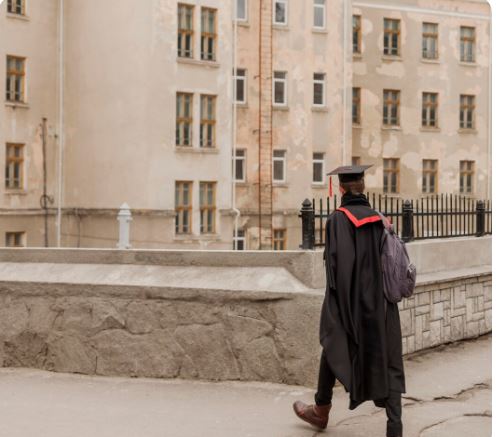
The weeks following university are often described by British graduates as an unexpectedly heavy silence. The old routine quickly fades away, and the absence of structure can be likened to leaving a familiar bus route and entering uncharted territory. Even though that shift is incredibly common, it frequently results in a paralysis that feels personal. They seldom have the experience required by job postings, and the pressure to “figure things out” comes almost immediately. It’s simple to believe that everyone else is going much more quickly, even if they are equally uncertain.
| Item | Snapshot / Notes |
|---|---|
| Cohort | British graduates (recent, last 5 years) |
| Typical age range | 21–26 |
| Common degrees | Arts, Social Sciences, STEM, Vocational |
| Main pressures | Student debt, competitive job market, housing costs, employer expectations |
| Emotional experience | Loss of structure, identity drift, anxiety, post-grad slump, decision paralysis |
| Practical impacts | Delayed financial independence, temporary non-graduate jobs, geographic regression to family home |
| Coping strategies | Short-term work, internships, skills pivoting, postgraduate study, therapy, networking |
| Systemic factors | Recruiter filtering, experience inflation, uneven careers advice, uneven mental-health provision |
| Representative research | UCAS, ONS and YoungMinds reporting on graduate outcomes and mental health; example: https://www.ucas.com |
The good news is that once graduates understand that this paralysis is a natural stage rather than a sign of failure, it may lessen. In this transition, small steps are remarkably effective. Routine is provided by a temporary position. Clarity can be obtained by speaking with someone who is a little ahead of you. One online course can lead to unexpected opportunities and is very flexible when it comes to boosting confidence. These small acts provide guidance without overtaxing the mind and lessen the sense of being stuck.
Many young people tell tales of initially feeling uncertain but eventually finding their footing. It can be very comforting to hear these stories. Returning home was “a pause I didn’t choose,” according to one graduate, but she found meaning again by accepting a temporary position that restored her daily routine. Another found that volunteering exposed abilities she had been unaware of. These instances demonstrate how progress frequently occurs subtly through seemingly straightforward actions that are especially helpful in regaining momentum.
Employers and universities also have significant roles to play. The transition is significantly improved when they provide clear guidance, paid placements, and useful feedback. Even modest amounts of alumni mentoring can have a significant impact on lowering uncertainty. Graduates who receive post-graduation support services feel less isolated during this transitional period. With these systems in place, the previously thick fog gradually starts to clear.
There is still hope for this post-university phase. Along this stretch of road, new paths frequently emerge with steady movement, even though direction may feel hazy at times. It is possible to turn the paralysis that many graduates experience into a contemplative pause that promotes inquiry. The next chapter becomes remarkably clear with perseverance, encouragement, and a willingness to try small steps.