
After 2020, something changed, and although most people are unable to pinpoint it, they can sense it. When you enter a clinic in Madrid or a pharmacy in Karachi, you’ll hear the same quiet conversations at the counter and requests for something to “calm the nerves.” On paper, the pandemic was over years ago. It’s still catching up with the nervous systems it shook.
Early on, the World Health Organization assigned a number to the change. Global rates of anxiety and depression increased by about 25% in the first year of COVID-19. This increase was so dramatic that researchers referred to it as a wake-up call rather than a statistic. Mental health professionals will tell you that panic attacks were part of the same wave, even though they weren’t always counted separately. The complaints of a racing heart, a feeling that the room is getting smaller, and an unexpected dry mouth have not subsided as the masks did.
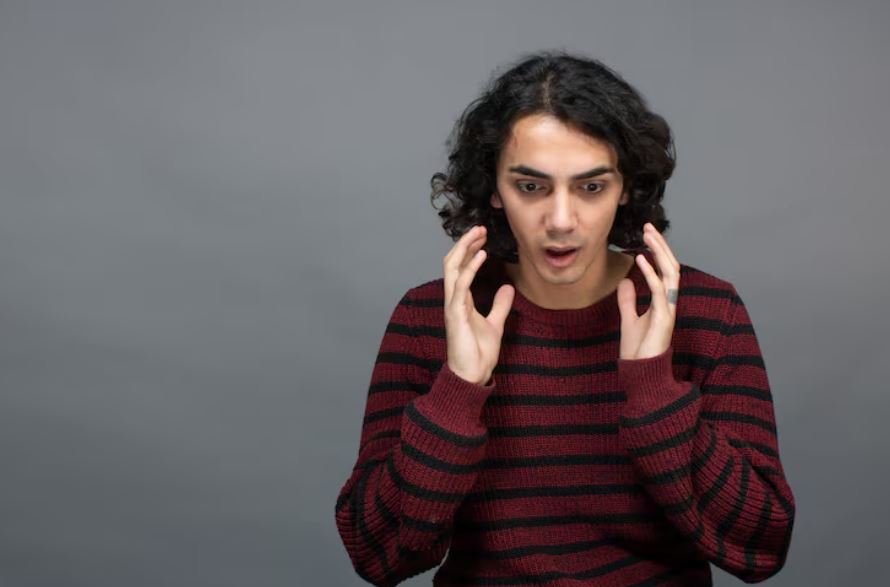
We might not have realized how weird re-entry would feel. Lockdowns taught people to interpret every doorknob as a risk and every cough as a threat. Vigilance like that doesn’t end smoothly. Speaking with therapists who experienced the worst of it, there’s a feeling that what appears to be a panic disorder nowadays is frequently a delayed echo—a body that learned hyperawareness and forgot how to unlearn it. More than a year after restrictions were lifted, some patients report that their first attack occurred in a supermarket aisle with no apparent trigger at all.
It appears that young adults are bearing the greatest burden. Language matters. According to a 2023 study of Peruvian university students returning to in-person classes, the predominant mode was moderate stress, with anxiety symptoms grouped around fears of “panicking in public” or “making a fool of oneself.” It highlights a generation that grew up in front of screens and is now navigating packed lecture halls with a level of fear that their instructors were unaware of when they were younger. Chinese, Ecuadorian, and Mexican cohorts have demonstrated similar trends.
The same story is told more darkly by healthcare professionals. According to WHO data, anxiety rates among nurses and doctors are significantly higher than those of the general population; in certain surveys, frontline workers reported anxiety rates as high as 43%. In a single pandemic year, over 300 healthcare workers in the UK made suicide attempts. Such numbers don’t neatly fit into any “recovery” chart.
The care gap is what makes the situation more complicated. Mental health services were among the most disrupted of all essential services during the pandemic, even as demand skyrocketed, and the recovery has been uneven. On average, governments still only allocate about 2% of their health budgets to mental health. The professional-to-population ratio in lower-income nations is still nearly unbelievable, with less than one worker per 100,000 people in some areas. A portion of the gap was filled by telehealth, but anyone who has attempted to talk through a panic attack during a glitchy video call is aware of the limitations.
Another concern is whether the increase is genuine or just more apparent. The stigma has subsided. People who used to refer to a panic attack as “a bad day” now have the vocabulary to name it, and they are doing so loudly on social media, in group chats, and in waiting areas. More attacks and greater candor about them are both possible at the same time.
It’s difficult to avoid feeling as though we’re still in the middle of a story rather than its conclusion as we watch this develop. The pandemic passed. Too often, the panic persisted.