
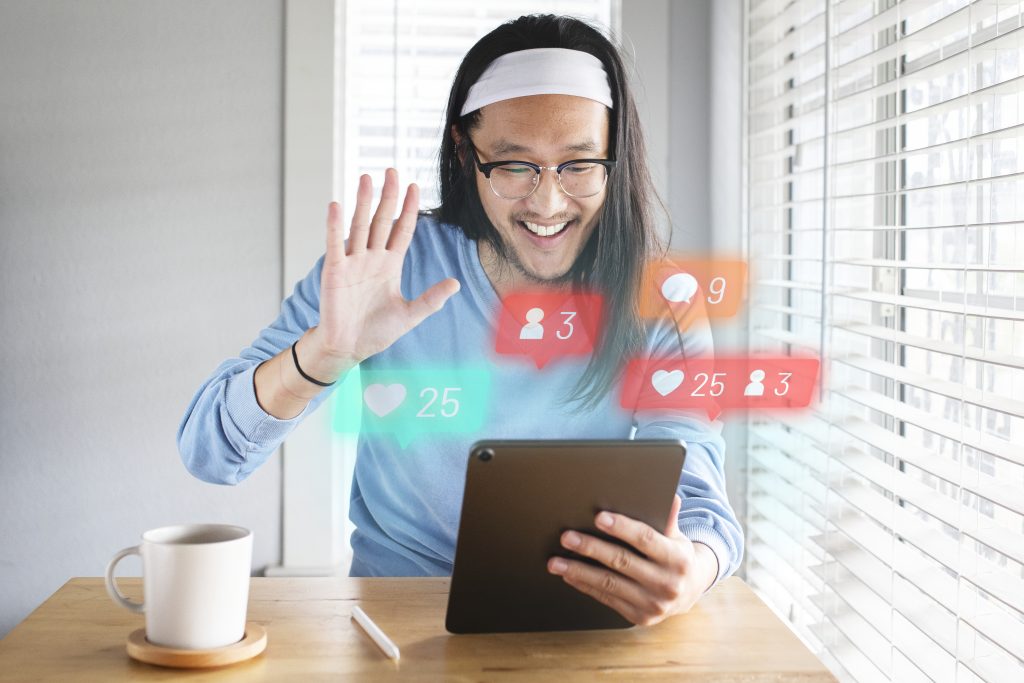
The impression that recovery has a neat arc can be created by a smile in a Thursday photo, a caption about “growth,” and a week-by-week reel. This carefully chosen sequence is remarkably similar to watching specific highlights stitched together so the difficult parts vanish.
Platforms enhance not only image but also memory: likes and positive comments support the idea that a positive post equates to significant change, and that social validation can temporarily feel especially good by strengthening identity and motivating sustained effort.
| Key points | Details |
|---|---|
| Topic focus | How social feeds compress, aestheticize and sometimes misrepresent healing timelines |
| Evidence & sources | Quartz, Psychology Today, U.S. Surgeon General advisory, Pew Research, Johns Hopkins, academic studies |
| Cultural drivers | Algorithms that reward emotional intensity, influencer aesthetics, pandemic-era sharing, commodified wellness |
| Psychological effects | Comparison, distorted memory of recovery, pressure to perform, relief from being seen, risk of relapse |
| Vulnerable groups | Teenagers, survivors of high-control groups, people with complex trauma, those with eating disorders |
| Celebrity angle | Public figures normalising therapy but also compressing narratives for public consumption |
| Practical advice | Curate feeds, set boundaries, value offline supports, prefer patterns over single posts, seek professional help |
| Societal impact | Changes in help-seeking, commodification of healing, policy implications for mental-health access |
| Analogy | Social feeds act like a swarm of bees: noisy, pollinating, productive — but not the jar of honey |
| Reference | https://www.quartz.com |
Posting a visible sign of being “okay” during the pandemic, when many supports were remote and therapists’ offices were virtual, occasionally served as a lifeline. For some people, the attention was remarkably effective at preventing deeper isolation, making a staged coffee shot or a gym check-in act as a tenuous but genuine tether.
However, platforms are designed economically to reward clean narratives: algorithmic appetites favor emotional peaks, clean before-and-afters, and soundbites over the lengthy, nonlinear, and frequently tedious process of repair. As a result, feeds often condense months of therapy into palatable, comforting segments that are as misleading as they are consoling.
According to clinical research, viewers—especially teenagers—may experience anxiety and low self-esteem when repeatedly exposed to carefully chosen “recovery” content. This is because comparison turns complicated healing into a race where likes are the finish line and the pace is determined by what goes viral that week.
The same algorithmic loops that once amplified controlling narratives can now create echo chambers promising quick cures, and when a feed heavily relies on certainty and ritualized “wins,” it can re-activate old reflexes of urgency and moral clarity rather than model steady repair. This presents another risk for survivors of complex trauma or high-demand groups.
By discussing therapy and medication in public, celebrities have helped de-stigmatize seeking help. This is unquestionably beneficial and has significantly improved many people’s vocabulary, but celebrity narratives frequently simplify and compress, omitting maintenance and relapse, creating an unfair standard for everyday lives.
The main difference between substantive progress and performative healing is pattern rather than moment; true healing manifests as regular attendance at appointments, stable boundary practices, enhanced day-to-day functioning, and fewer crisis days—all of which are measurable over months rather than neatly fitting into a thirty-second reel.
The paradox is exemplified by a friend’s story: she started sharing “healing” content because it made her feel responsible and less alone, and her followers showered her with support. However, the public expectation eventually forced her to conceal setbacks, making sincere confession more difficult and recovery seem more performative than healing.
The “presentation gap,” which is defined by clinicians as an observable discrepancy between what someone shares and the uncurated reality, is caused by this dynamic—social validation providing short-term assistance while imposing performance pressure in the long run. This gap can skew one’s own perception as well as the opinions of others.
Supporting digital literacy that teaches how algorithms favor emotional intensity, requiring platforms to surface professional resources when users engage with self-harm or quick-fix content, and funding educational initiatives that teach pattern recognition over highlight consumption are all simple and doable solutions for clinicians and policymakers.
At the individual level, a heuristic that prioritizes process over a single polished moment is asking if a feed demonstrates sustained care, such as regular therapy posts that are framed with setbacks and relapse management, friends who record in-person attendance, or demonstrated behavior change.
For those who purchase the aesthetic, the wellness industry can be surprisingly affordable, but it runs the risk of transforming recovery into a consumable identity rather than a relational practice. Retreats, detoxes, pills, and “21-day fixes” all make money by promising accelerated healing, frequently with glossy results boosted by influencers.
However, there is cause for hope. Relapse, maintenance, medication adjustments, and long-term therapy are now being emphasized by an increasing number of creators and public figures in ways that demythologize the timeline. These accounts are especially innovative because they defy neat storytelling and provide examples of how repair can be maintained without spectacle.
Infrastructure and education are important. Universities that incorporate emotional literacy into their curricula, workplaces that normalize therapy and provide mental health days, and insurance reforms that cover longer-term treatment all recalibrate incentives away from quick, clickable proof and toward durable wellbeing, which would greatly lessen the pressure to perform recovery for the feed.
Consider social media to be like a swarm of bees: it spreads ideas, moves quickly, and sometimes produces honey. However, the honey itself—durable, jarred, and ready—comes from time, patient care, and slow fermentation; posts pollinate hope, but the slow work of synthesis takes place offline in therapy rooms, kitchens, and lengthy conversations.
Practically speaking, readers can take action right now. They can set screen-time limits, carefully curate feeds, follow clinicians and peer-support groups with clear evidence, and track their progress using private indicators like fewer panic days, better sleep, and consistent attendance at sessions rather than public ones like save counts or follower growth.
A text check-in, a ride to an appointment, or a quiet meal together are small, remarkably effective interventions that don’t translate well to reels but add up to long-lasting recovery. Friends and caregivers are encouraged to prioritize consistent presence over applause.
When platforms, institutions, and influencers start promoting long-form repair instead of snapshots, the social ecology of healing will become more truthful, supportive, and resilient. The cultural task ahead is to reward nuance: shift appetites from ephemera to arcs, from proof to practice.
Acknowledging that social media makes healing appear quicker is not a criticism of sharing, but rather a call to wisdom: commemorate public achievements but prioritize patterns, provide funding, and maintain faith in the gradual, occasionally unglamorous work that truly advances recovery because the best kind of progress is the kind that endures beyond the feed.