
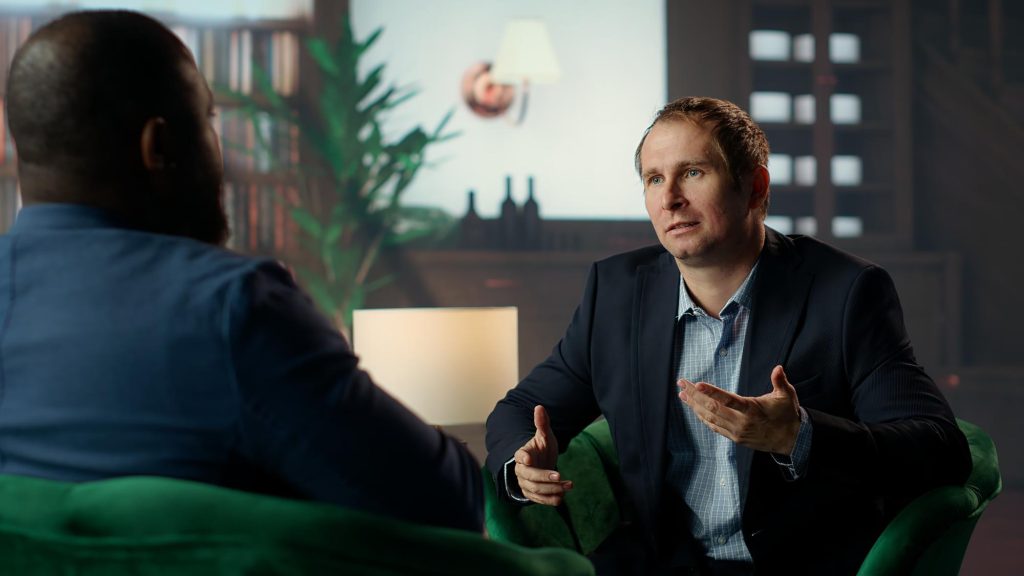
Under the dazzling lights of the Olympic arena, Simone Biles withdrew from competition on a late summer evening in Tokyo. Cameras panned in. Commentators paused. Before the judges had even shared their scores, social media was in full swing.
Sometimes in the same tweet, her decision to step away for mental health reasons was denounced as weak and hailed as brave. Real-time observation of the backlash gave the impression that something more significant than gymnastics was at risk. The public’s perception of strength is just as important as medals.
Confessions by celebrities about their mental health have become hot topics in society. Fans express their gratitude in comment sections when Billie Eilish talks about how depression controls “everything” in her life. Skeptics raise concerns about timing and motivation when Prince Harry talks about panic attacks and unresolved trauma in interviews for his memoir. Both suspicion and empathy are sparked by the confessions.
| Category | Details |
|---|---|
| Cultural Focus | Public figures speaking openly about mental health |
| Notable Figures | Billie Eilish, Selena Gomez, Simone Biles, Prince Harry |
| Common Topics | Anxiety, depression, PTSD, substance use, postpartum depression |
| Cultural Impact | Increased dialogue, reduced stigma, online backlash |
| Reference | Increased dialogue, reduced stigma, and online backlash |
It’s possible that vulnerability is uncomfortably increased by fame.
Selena Gomez once talked candidly about bipolar disorder, depression, and anxiety in a glitzy Los Angeles studio. She later produced a documentary that featured her in treatment centers and crying in hotel rooms. The intimacy of the film was almost uncomfortable. It was deemed brave by some viewers. Others questioned whether trauma was being presented as information.
Authenticity is a common topic of discussion. Are these revelations well-managed narratives in line with album releases and brand launches, or are they authentic acts of self-disclosure? Whether the distinction matters as much as critics think is still up for debate. Regardless of the motivation, the effect on fans can be genuine.
According to a 2015 American University study, younger generations are more willing than their elders to talk about mental health. Social media has since accelerated this transparency. With millions of viewers, celebrities serve as unofficial spokespersons for emotional distress. Hotline numbers followed Demi Lovato’s name as she talked about bipolar disorder and a near-fatal overdose. Artists publicly thanked Kid Cudi when he revealed he was going to rehab for depression and suicidal thoughts.
Confession seems to have turned into a sort of currency.
In 2016, Lady Gaga disclosed that she suffers from PTSD while at a homeless center in New York. The room had folding chairs set up in irregular rows and was fluorescently lit. There was no press junket. It was uncooked. Widely reported that the incident reframed trauma as something that even megastars experience.

However, the backlash never completely goes away. Critics accused Naomi Osaka of neglecting her professional responsibilities when she canceled press conferences, citing anxiety. Sponsors kept a close eye on things. It appeared that investors in the sports sector thought mental health advocacy could either help or hurt an athlete’s reputation.
Something unsettling about societal expectations is revealed by this tension. While we value honesty, we also expect results. It is expected of celebrities to be both resilient and open at the same time.
The little tales persist. In an Italian fashion magazine, Kylie Jenner talked about postpartum depression and how her hormones felt “bigger than you.” Zayn Malik apologized to fans and acknowledged that he couldn’t stand on stage, canceling appearances because of anxiety. Every confession starts a comment thread that resembles both courtroom trials and group therapy sessions.
It’s difficult to ignore how easily vulnerability turns into a spectacle.
The issue of influence is another. Some viewers are inspired to get help when a celebrity talks about taking medicine or going to rehab. Others worry about being glamorized. Professionals in mental health frequently stress that each patient’s treatment is unique and complex. Instagram’s 30-second video cannot convey that intricacy.
Nevertheless, there is no denying the cultural change. Twenty years ago, it was uncommon for A-list celebrities to talk about depression or PTSD, and it frequently ended their careers. They can strengthen loyalty now. These days, public relations departments include stories about mental health in their larger branding plans, occasionally coordinating with advocacy initiatives or nonprofit collaborations.
As this is happening, it seems like society is reevaluating how it views celebrity. We no longer demand perfect idols. We anticipate imperfect ones, but manageable, relatable imperfections.
The ripple effect is arguably the most notable change. Megan Thee Stallion’s discussion of vulnerability as strength catches the attention of an adolescent browsing TikTok. Prince Harry talks about trauma therapy with a veteran. Despite their flaws, the confessions provide opportunities.
Nevertheless, skepticism is still beneficial. Sincerity is complicated by fame. Cycles of publicity obscure motivations. There’s a chance that some disclosures are calculated. They could just as easily survive.
Young gymnasts reportedly thanked Biles for speaking up back in that Olympic arena after the cameras had stopped filming and the commentators had moved on. They claimed that it was simpler to acknowledge fear.
Perhaps that is the silent indicator of impact—not think pieces or popular hashtags, but the viewer’s private consent.
Celebrity admissions about their mental health will probably continue to generate discussion. They are too strong and too well-known not to. However, the spectacle might have a deeper meaning if even a small number of people are moved by the debates to ask for help, challenge stigma, or speak candidly in front of a small group of people without cameras.