
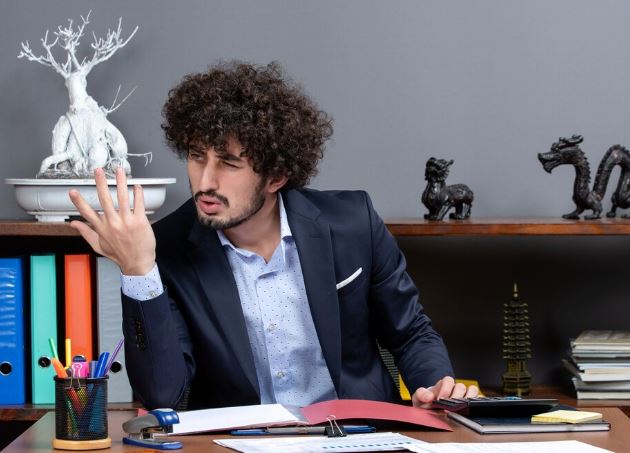
On weekends, a certain type of fatigue persists. At eight in the morning, you can see it in coffee shops with laptops open, AirPods in, and a half-eaten oat-milk muffin left on the side. During the third Zoom of the morning, you can see it in a colleague’s somewhat dazed expression. It’s a fatigue that lurks behind the eyes, and it’s starting to affect a whole generation of workers informally.
The so-called “hustle culture” did not appear out of nowhere. We bought it. Productivity was first marketed as a virtue, then as an identity, and finally as something akin to a personality trait for over ten years. Get up at five in the morning. Make the most of the morning. Arrange the calendar in a stack. Before the sender has finished typing the email, respond to it. Some people might actually flourish in this rhythm. However, there’s a growing perception that most of us don’t and have been acting that way for years, both in clinical offices and newsrooms.
The damage is invisible, which is the most peculiar aspect. There’s still a burned-out employee. They continue to create decks, respond to Slack at 11 p.m., and smile in team photos. It is more difficult to quantify what occurs inside. A pattern is described by therapists: clients who feel guilty while sleeping, anxious when on vacation, and strangely empty after significant victories. Anxiety about the next task nearly immediately replaces the satisfaction of finishing something. Success turns into a conveyor belt that you can’t get off without feeling like a failure.
For years, researchers who study contingent self-worth have raised concerns about this, arguing that when people associate their worth with productivity, rest becomes intimidating rather than rejuvenating. People are avoiding the discomfort of being motionless, not laziness. Productivity turns into a coping strategy, a haven from loneliness, grief, or the nagging questions of midlife. It feels safer to do more than to feel more.
All of this has been silently and persistently made worse by technology. In 1955, a factory worker could simply get up from the floor. In 2026, a knowledge worker has the factory in their pocket. During dinner, notifications start to buzz. The brain never fully clocks out, and it seems that the true cause of contemporary burnout is the nervous system’s perpetual low-grade arousal. Sleep is compromised. Decisions become more careless. In environments that are never quiet, creativity—the very thing businesses claim to want—withers.
No one wants to publicly acknowledge this irony. People’s work tends to deteriorate beyond a certain point as they push harder. Research on extended work hours reveals diminishing returns that happen more quickly than most managers would like to admit. A weary brain produces duller copy, weaker code, and thinner strategic decisions. The “more” economy consumes itself.
It’s difficult to ignore a silent uprising as you watch this play out. Books that challenge the culture of productivity continue to appear on bestseller lists. It’s possible that younger workers—often written off as soft—were the first to identify what older generations had white-knuckled through. They plan “white space.” Ten years ago, their seriousness about protecting weekends would have seemed ridiculous. It’s unclear if this turns into a long-lasting cultural shift or just another fad.
The old narrative that a meaningful life equates to consistent output appears to be fading. In private, if not in public, people are beginning to suspect that being busy and being alive are two different things. And that doing less on purpose and refusing to apologize for it might be the most radical career move available at the moment.