
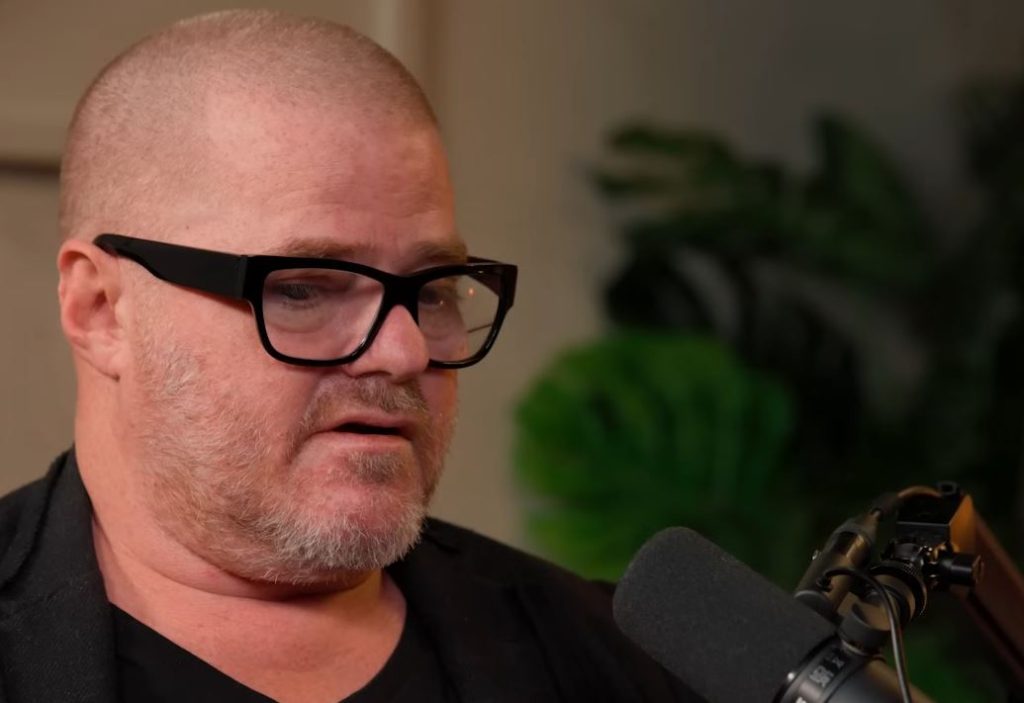
Credit: High Performance
Heston Blumenthal appeared unstoppable at the height of his fame, dazzled audiences with theatrical plates that made it difficult to distinguish between magic and cooking. His reputation as an innovator was solidified by his famous restaurant The Fat Duck, bacon-and-egg ice cream, and snail porridge. Behind the scenes, however, his mind was in overdrive, generating an energy that was both creative and destructive. Following a terrifying manic episode in France in 2023, Blumenthal was sectioned and ultimately given a bipolar disorder diagnosis at the age of 57. This event completely changed Blumenthal’s path in life and career.
Blumenthal believed for years that his restless nights and racing thoughts were just a side effect of genius. Ideas would fall from the sky like thousands of candies, and he would only be able to grasp a handful before the rest disappeared. This was thrilling at first, but as the years went by, the crashes grew more intolerable and the manic highs dangerously intense. His condition’s strain became inevitable, and his family looked on helplessly. His son Jack, who is currently a chef, opened up about how his father’s moods frequently interfered with their attempts to connect with him.
| Detail | Information |
|---|---|
| Full Name | Heston Marc Blumenthal |
| Date of Birth | May 27, 1966 |
| Age | 58 years (2025) |
| Birthplace | Shepherd’s Bush, London, UK |
| Nationality | British |
| Profession | Celebrity Chef, Restaurateur, Author, TV Personality |
| Famous For | The Fat Duck (3 Michelin stars), experimental dishes like snail porridge and bacon-and-egg ice cream |
| Spouse | Melanie Ceysson (m. 2023), previously married to Zanna Blumenthal |
| Children | Four |
| Health Diagnosis | Bipolar Disorder (2023), ADHD |
| Major Health Events | Sectioned in France during manic episode in 2023, later treated with lithium |
| Current Role | Ambassador for Bipolar UK |
| Reference | BBC News: Heston Blumenthal on Health Issues |
In a pattern remarkably similar to that of other artists like Stephen Fry and Kanye West, Blumenthal’s illness both fueled and shattered his genius. The idea of the “tortured genius” is frequently romanticized by society, but the reality is much more painful, especially for family members. The narrative illustrates how unbridled mania can drastically lower relationship quality even when a person’s career is thriving. By being transparent about his difficulties, Blumenthal has promoted a more sympathetic comprehension of how hardship and achievement can coexist.
After being admitted, he was prescribed a potent combination of antidepressants and antipsychotics. He initially appeared dulled by the treatment, as if his creativity had been extinguished. He talked about feeling unrecognizable, drained of his imagination, and zombified—even to himself. But after a thorough medical adjustment, he was given access to lithium, a drug that has proven to be incredibly successful in keeping bipolar patients stable. Lithium helped him regain his equilibrium without totally squelching his spark, but it was a difficult process. His energy and confidence gradually returned, but in a more composed, realistic manner.
This pivotal moment gave him the opportunity to consider the price of his silence and the importance of openness. He claims that even if he could turn off his bipolar disorder, he would not do so because it is a part of who he is. This viewpoint is especially helpful to a larger discussion on mental health because it is expressed with uncommon candor. His advocacy work as an ambassador for Bipolar UK, where he highlights not only his own experiences but also the tales of innumerable others navigating similar paths, reflects his willingness to link his illness to his artistic endeavors.
Professional kitchen culture has long been known for its harsh schedules and high levels of stress. The untimely passing of Anthony Bourdain serves as a sobering reminder of the mental toll that chefs endure. Blumenthal’s account contributes to this story, albeit from a more hopeful point of view. Through his candid remarks, he is calling on the industry to recognize that wellbeing need not be sacrificed for creativity. His career, which was previously characterized by sleepless nights and 120-hour work weeks, is now evolving into a more sustainable rhythm that values both balance and genius.
Blumenthal’s health issues are a social reflection as well as a personal one. The average time to receive a bipolar diagnosis in the UK is nine years, which frequently leaves patients untreated and families in despair. A population known as “ghosts in the system” is produced by these systemic flaws, according to psychiatrists. His prominence highlights the pressing need for improved access to care, more psychiatrists, and earlier intervention. He illustrates by his example how prompt diagnosis and treatment can have a transformative effect.
Even though it hurts, his illness has helped him learn more about himself and his profession. He admits that during his manic episodes, he would sometimes lose his temper, break things, and even bite the corners of phones. However, he also admits that the same drive inspired him to reinvent cooking and produce dishes that became icons of culture. His story demonstrates how, with the right care and understanding, creativity and illness can coexist without necessarily being harmful.
The tale has resonance in Bray that extends well beyond his kitchen. Blumenthal’s candor makes him relatable to a worldwide audience, much like Lady Gaga and Demi Lovato have used their mental health issues to promote unity. In addition to learning about the man behind the Michelin stars, fans are also learning about his humanity and vulnerability. Setting an example of leadership beyond the food industry, this candor has significantly improved the conversation about mental illness in high-pressure industries.