
Most people have a mental image of Kevin Whately: the trustworthy Sergeant Lewis, who stood to the right of John Thaw’s gloomy Morse, patient and grounded as Oxford’s fictional murder rate rose to unbelievable heights. That picture is cozy and cozy, like a Sunday afternoon on television. However, there was something much more difficult and private going on behind it for years.
Mary Whately’s mother was a grammar school teacher from Northumberland; she was intelligent, self-reliant, and seemed to enjoy weekend archaeological excavations. When she was given an Alzheimer’s diagnosis in the late 1990s, her son had to deal with a condition he had no internal knowledge of. It’s possible that no amount of public awareness about dementia can adequately prepare you for witnessing a loved one gradually lose control of the everyday world, memory by memory, piece by piece.
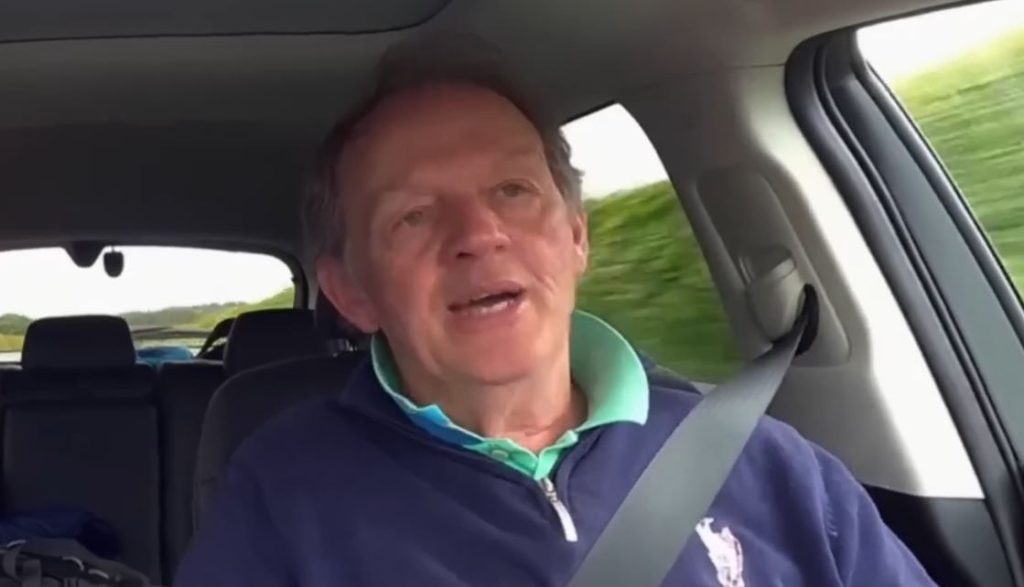
The realities of everyday life were unrelenting. Every day, Whately and his siblings called their mother. Every weekend, they alternated making the 700-mile round-trip drive to her Hexham home—not just occasionally, not when it was convenient, but every week. It’s easy to ignore that kind of persistent dedication, but it says something. This was not a family that handled things remotely. Barry, a neighbor, kept an eye on Mary as well, and when she wandered into his home thinking she owned it, he didn’t seem to mind setting her down with a glass of wine. Living with Alzheimer’s actually takes the form of these minor human adjustments, the day-to-day negotiations around a deteriorating memory.
When you listen to Whately discuss this time, you’ll notice how much he clung to the fleeting, imperfect windows of time when his mother was briefly herself again. He used to schedule his visits to coincide with Inspector Morse television repeats in the afternoon. Mary appeared to be anchored in some recognizable way by watching those episodes, which sparked discussions about the stories and Oxford’s unbelievable crime wave. “I lived for the little sparks,” he said, “that reminded me she was still Mum.” Although the sentence is quiet, it has a lot of meaning.
After suffering from the illness for about ten years, Mary Whately died in 2009. Kevin Whately has consistently discussed her experience over the years, going beyond sporadic awareness campaigns. He joined the Alzheimer’s Society as an ambassador, took part in Memory Walks, finished the Trek Twenty-Six, and supported the GameChanger app, a research project that asks individuals without dementia to play smartphone games in order to enhance the diagnosis and research of the illness. He seems to have never felt that this work was just ceremonial. Among other things, this persistent public commitment was recognized with the award of an OBE in the most recent New Year’s Honors list.
There is still a huge disconnect between what people think dementia is and what families actually go through. In the UK, a person is diagnosed with dementia every three minutes; this statistic is often overlooked in day-to-day activities and never given the attention it merits.
Whately’s contribution may have been less about well-known campaigns and more about the detailed, intimate, and reliable description of what those years truly were like within a single family. Whether any one ambassadorial voice significantly changes public perception is still up for debate. However, there is some merit to a well-known figure repeatedly choosing to discuss such an awkward topic with such candor and minimal drama.
FAQs
Q1. What illness affected Kevin Whately’s family?
His mother, Mary, lived with Alzheimer’s disease for approximately ten years.
Q2. When was Mary Whately diagnosed with Alzheimer’s?
She was diagnosed in the late 1990s and passed away in 2009.
Q3. What did Kevin Whately do to support his mother?
He and his siblings made 700-mile round trips to visit her every weekend.
Q4. What organisation does Kevin Whately represent as an ambassador?
He serves as an ambassador for the Alzheimer’s Society.
Q5. What honour did Kevin Whately recently receive?
He was awarded an OBE in the most recent New Year’s Honours List.